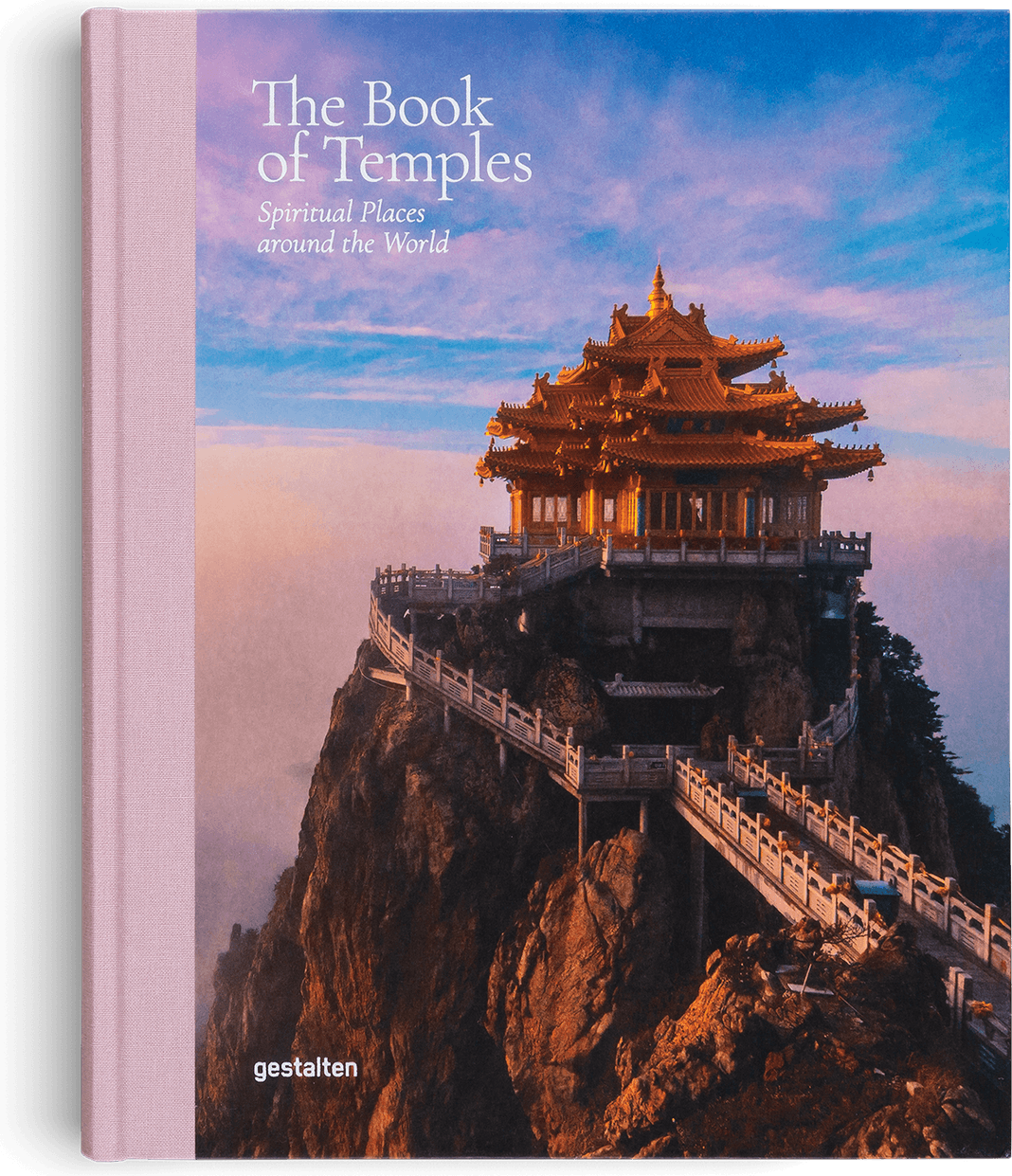
Cover courtesy of gestalten
Architecture shelf · Hardback
The Book of Temples
Spiritual Places Around the World
Edited by Marianne Julia Strauss
Hardback, stitch-bound, 24 × 30 cm (300mm tall), 272 pages of full-colour photography. Gestalten format typical of their large travel titles; the page size is the reason the architectural photography functions at all.
- Publisher
- Gestalten (2025)
- Imprint
- gestalten
- Pages
- 272 pages
- Size
- 30 × 24 cm
- Binding
- Hardback
- ISBN-13
- 9783967041361
A wide-angle survey of 50 sacred sites across five continents, arranged by ambition rather than faith: exactly what it is, and worth having on a table where visitors with different backgrounds will all find something familiar.
The editors' view
Gestalten's most straightforward brief is this one: go everywhere. The Book of Temples covers 50 sacred sites spread across five continents and, by the author's reckoning, thirty centuries of building. Marianne Julia Strauss, a German travel journalist, has arranged them not by geography or chronology but by the architectural ambition of the spaces themselves, ranging from the terraced platforms of Angkor Wat to Ethiopian synagogues, Gothic cathedrals, Mayan pyramids and Shinto shrines in Japan.
The structure suits the format. Where a monograph on a single tradition would demand expertise, this asks only curiosity. Essays accompany each site, placing the architecture within its doctrinal and cultural context rather than treating faith as mere backdrop for a photograph. The photography itself comes from multiple contributors uncredited at the cover level, which is typical for Gestalten's travel titles but worth noting: the images serve the sites rather than declaring a single photographic vision.
At 24 × 30 cm, the book is large enough to give the photographs room to work. Angkor Wat reproduced at a width of 27 cm is a different experience from the same image on a phone screen. The 272 pages are dense with colour, the binding stitch-bound. Gestalten prints on FSC-certified stock, which matters less aesthetically than the quality of colour reproduction, and on this the publisher has a consistent record.
The book will please anyone who wants a wide-angle survey of sacred building across traditions and is not already a specialist in any of them. An architectural historian or a scholar of comparative religion will find the treatment too brief per site. For the general reader who has visited one or two of these places and wants the broader picture, it reads as an argument that the impulse to build towards something beyond the everyday is genuinely universal.
Shelved alongside
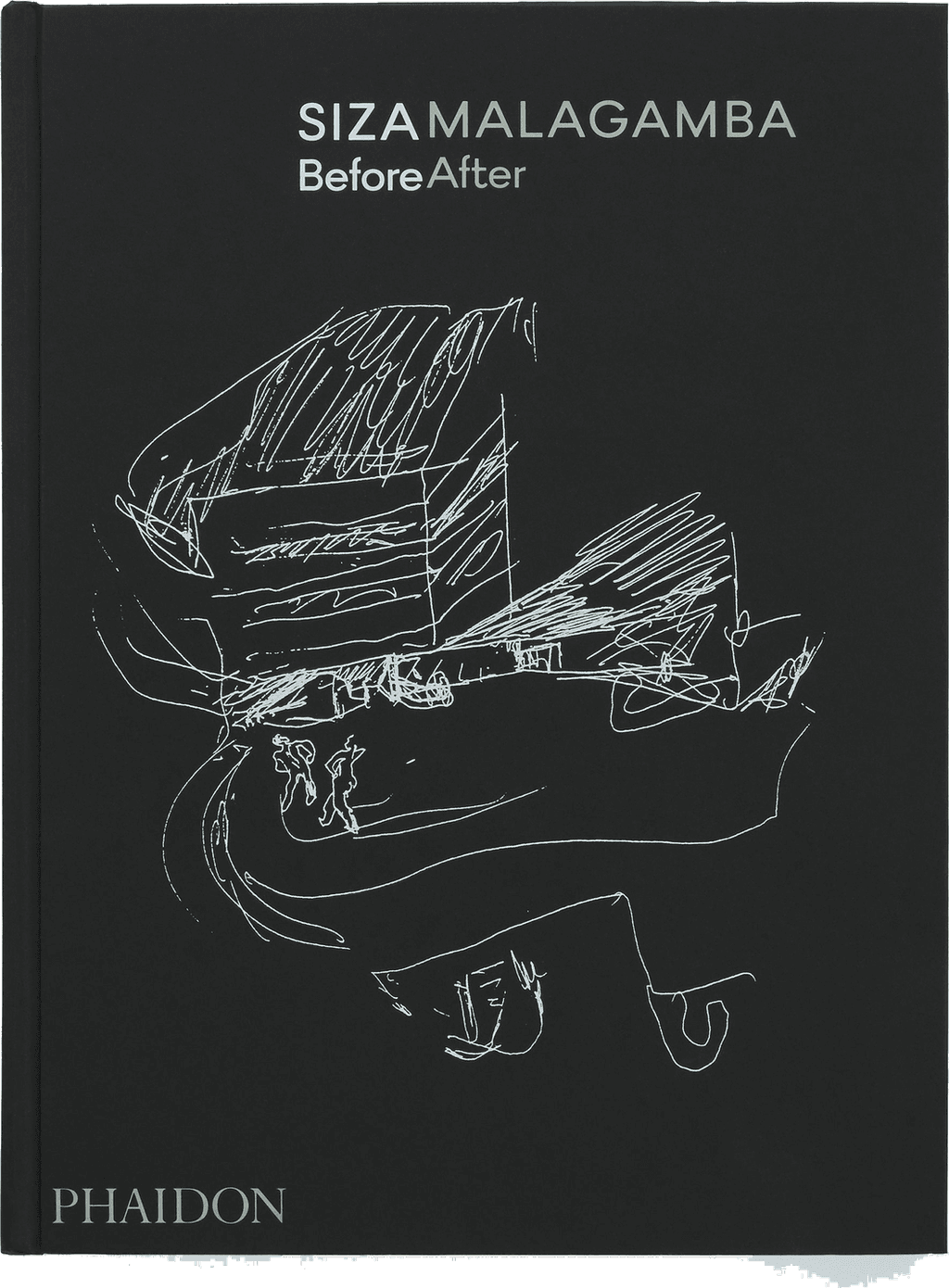
Phaidon · Architecture
Before / After: Álvaro Siza
Álvaro Siza, Duccio Malagamba
Siza at 91, choosing his own twenty. Malagamba's photographs and the architect's hand drawings together make the case for why the work still matters.
312 pages32 × 24 cm
teNeues · Photography
Big New York
Elliott Erwitt, Thomas Hoepker and 5 others
Seven decades of New York, fourteen photographers, one XXL slipcase. The range is the point.
512 pages37 × 29 cm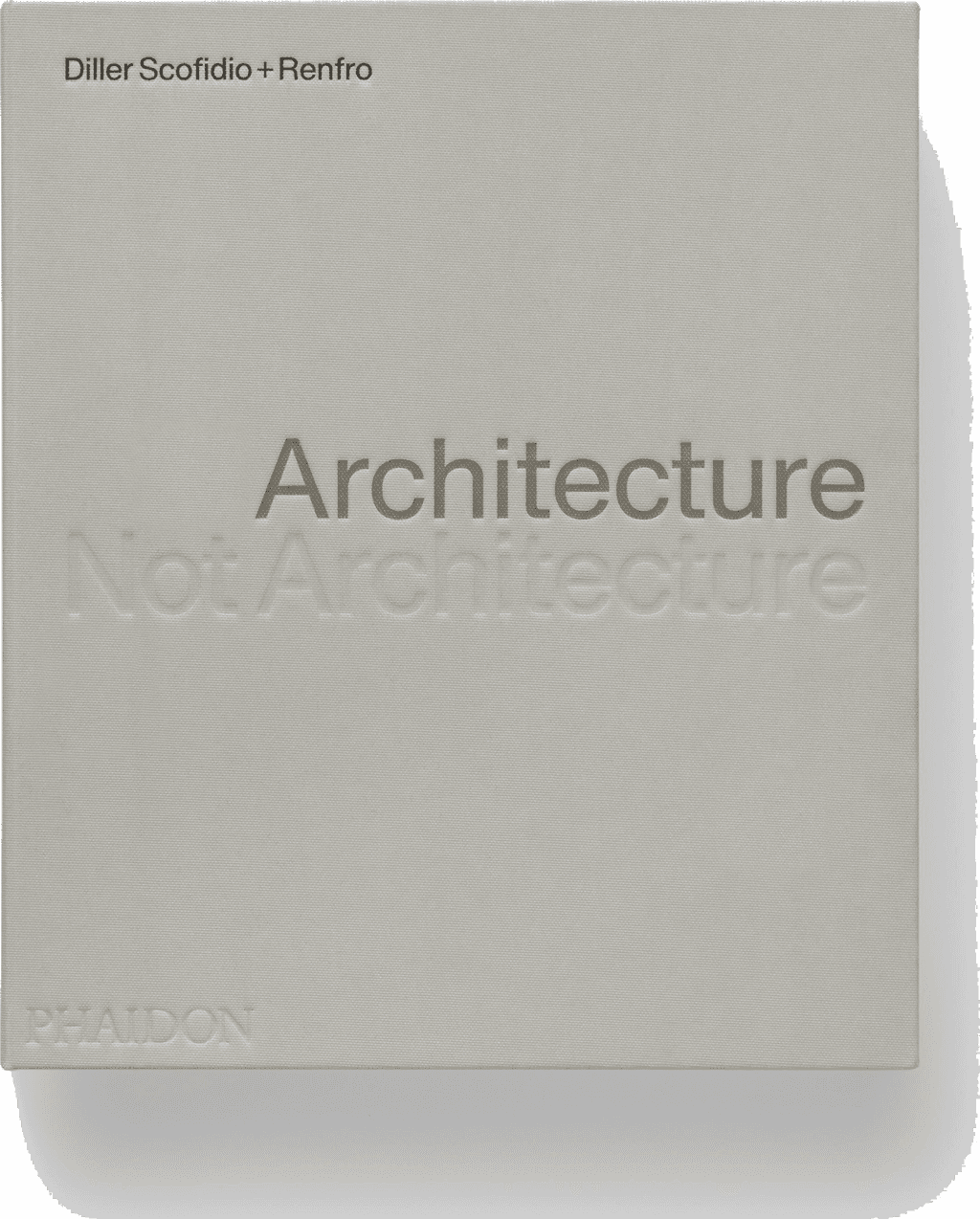
Phaidon · Architecture
Architecture, Not Architecture: Diller Scofidio + Renfro
Diller Scofidio + Renfro, 2x4 and 2 others
A studio monograph that is itself a work of design: two conjoined volumes, 792 pages, and four decades of work that refuses to stay inside architecture.
792 pages29 × 25 cm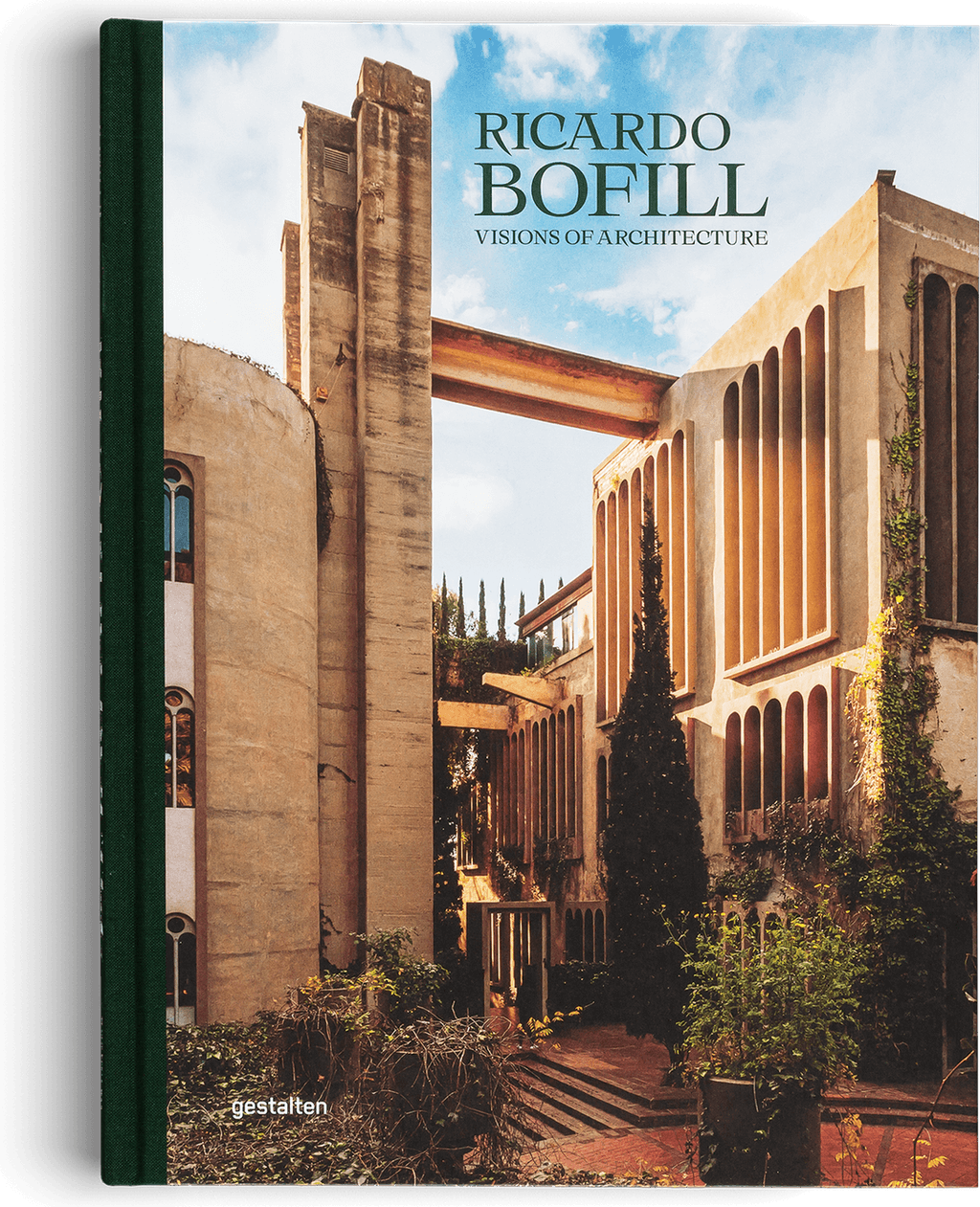
Gestalten · Architecture
Ricardo Bofill
Ricardo Bofill, Pablo Bofill and 3 others
A serious monograph on one of the twentieth century's most architecturally unclassifiable figures, updated with photography that earns its place alongside the buildings.
304 pages33 × 25 cm