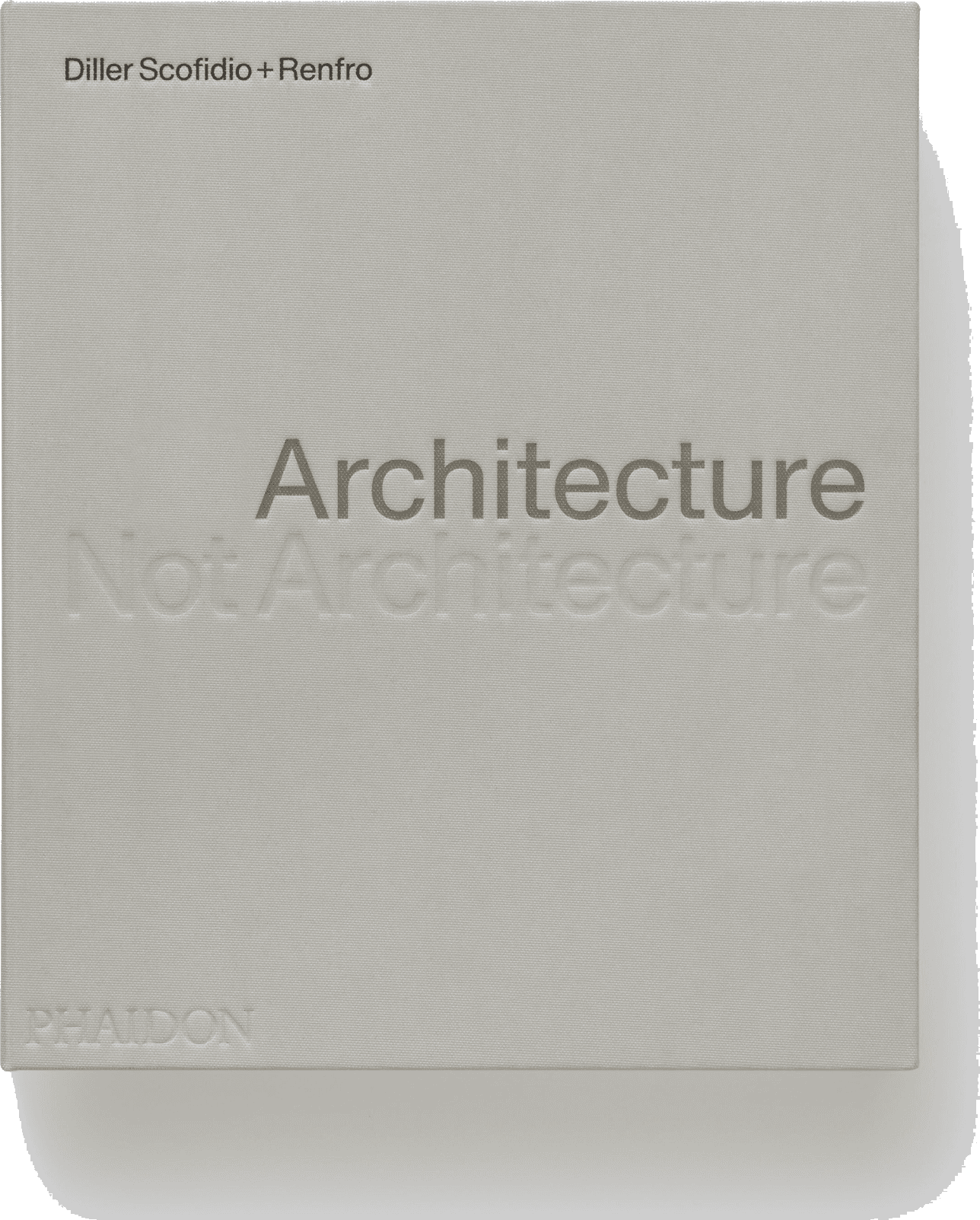
Cover courtesy of Phaidon
Architecture shelf · Hardback
Architecture, Not Architecture: Diller Scofidio + Renfro
By Diller Scofidio + Renfro, 2x4, Iwan Baan, Matthew Monteith
Two conjoined 290×250mm hardback volumes, 792 pages in total, with 2,000 illustrations printed by Phaidon. The binding is itself a design decision: each volume opens flat independently or reads in parallel across a shared spine. AIGA Best Book Design 2024 winner.
- Publisher
- Phaidon (2024)
- Imprint
- Phaidon
- Pages
- 792 pages
- Size
- 29 × 25 cm
- Binding
- Hardback
- ISBN-13
- 9781838667207
A studio monograph that is itself a work of design: two conjoined volumes, 792 pages, and four decades of work that refuses to stay inside architecture.
The editors' view
DS+R has spent more than four decades working in the space between architecture and art, and most monographs about the studio settle for a straightforward chronology. This one does not. Phaidon has made two volumes into a single object: the books are joined at the spine, each readable alone or together when opened flat, with layouts that cross between them at shared preoccupations. Design consultancy 2x4 handled the typography, and the structural binding was conceived by the studio itself. That decision makes the book an argument rather than a catalogue.
The practice's range is unusual. The High Line in New York, now the most visited public park in America, sits in the same body of work as the Blur Building, a fog structure built for the 2002 Swiss Expo, and the forthcoming V&A East Storehouse in London. Over 100 projects are covered, built and unbuilt, permanent and temporary, spanning four decades. Iwan Baan and Matthew Monteith took most of the photography, and the 2,000 illustrations include working drawings, models, and process material.
What distinguishes the book from its peers is the commissioned conversations. Edmund de Waal, Paola Antonelli, Hans Ulrich Obrist, William Forsythe, and Alan Cumming were each asked to speak with the studio. The result is a set of perspectives from outside architecture that the typical practice monograph never attempts. The AIGA Best Book Design award for 2024 reflects how seriously the physical making was treated.
At 792 pages and 290×250mm, it is a substantial presence. It will suit anyone seriously interested in how a practice thinks and makes, rather than simply what it builds. Readers who found the High Line a piece of urban design worth arguing about will find plenty here to take that argument further.
Shelved alongside
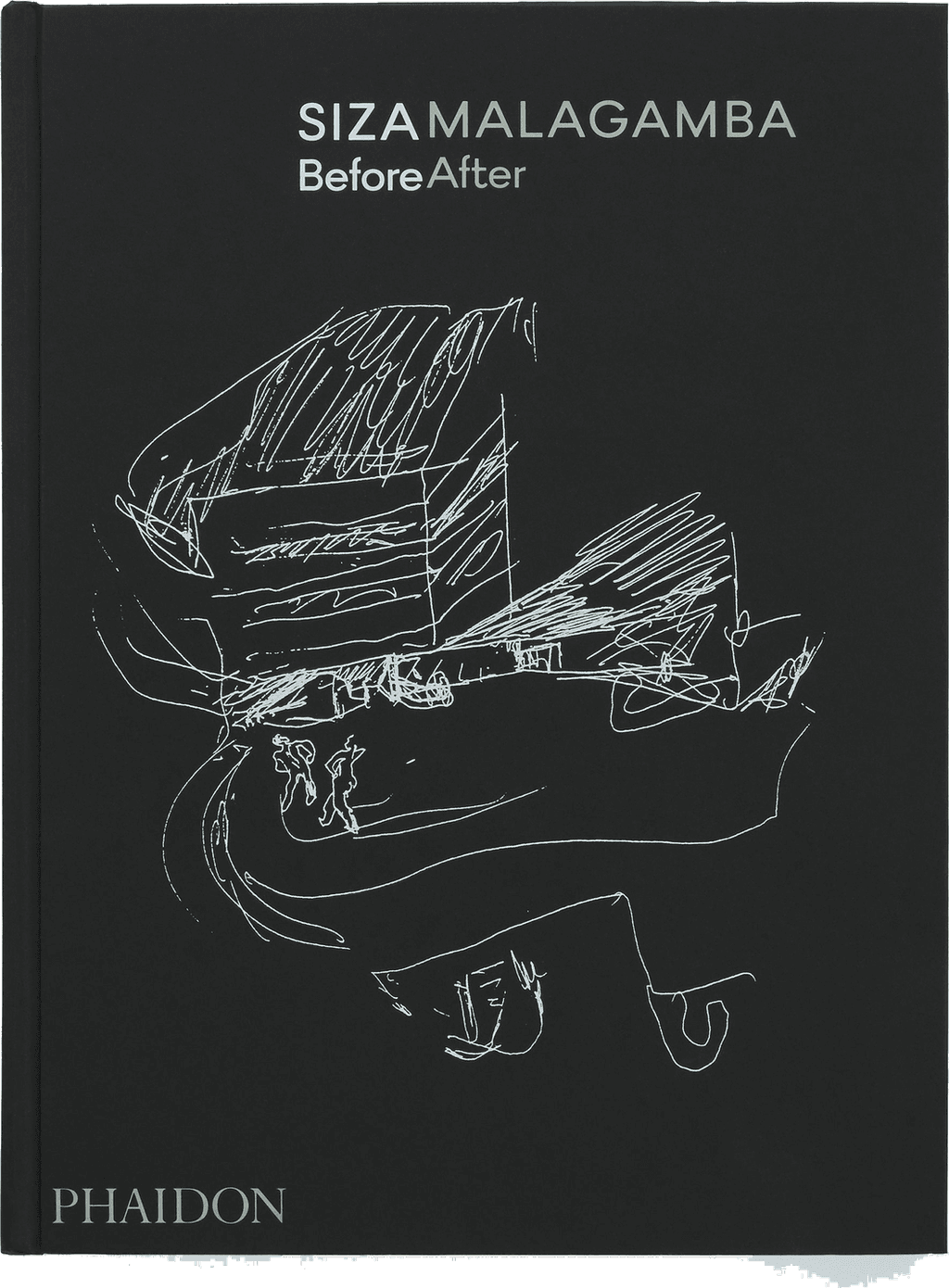
Phaidon · Architecture
Before / After: Álvaro Siza
Álvaro Siza, Duccio Malagamba
Siza at 91, choosing his own twenty. Malagamba's photographs and the architect's hand drawings together make the case for why the work still matters.
312 pages32 × 24 cm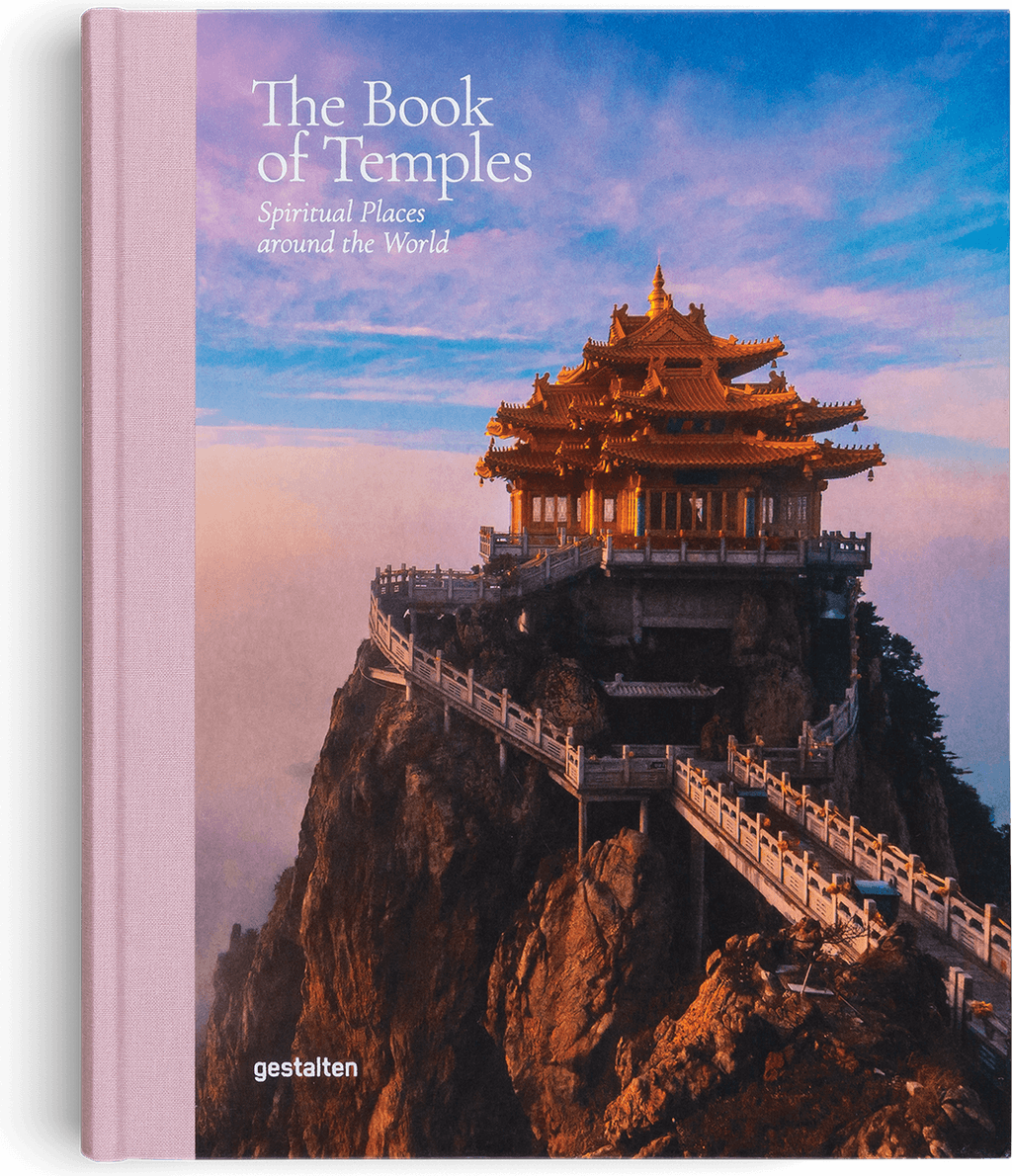
Gestalten · Architecture
The Book of Temples
Marianne Julia Strauss
A wide-angle survey of 50 sacred sites across five continents, arranged by ambition rather than faith: exactly what it is, and worth having on a table where visitors with different backgrounds will all find something familiar.
272 pages30 × 24 cm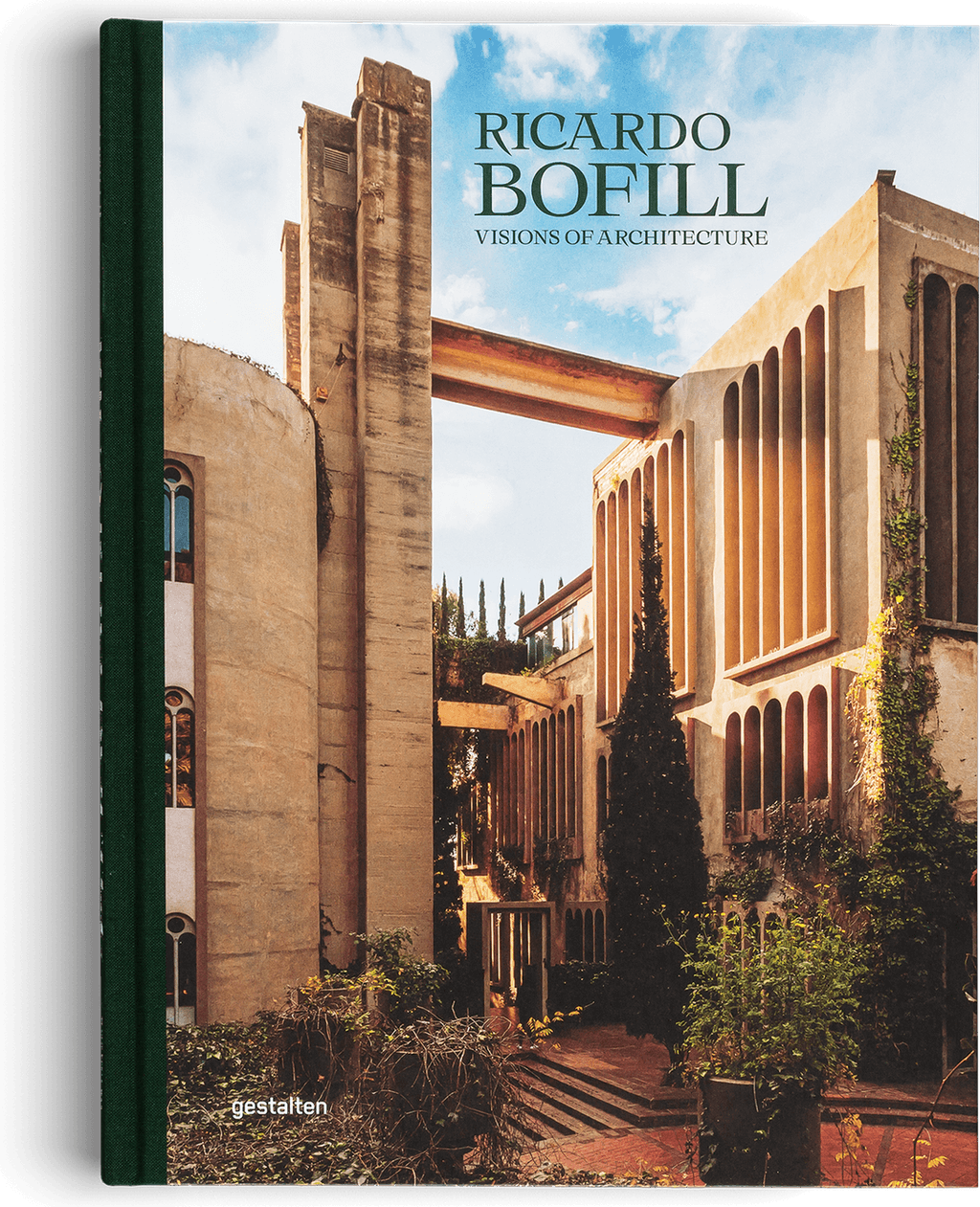
Gestalten · Architecture
Ricardo Bofill
Ricardo Bofill, Pablo Bofill and 3 others
A serious monograph on one of the twentieth century's most architecturally unclassifiable figures, updated with photography that earns its place alongside the buildings.
304 pages33 × 25 cm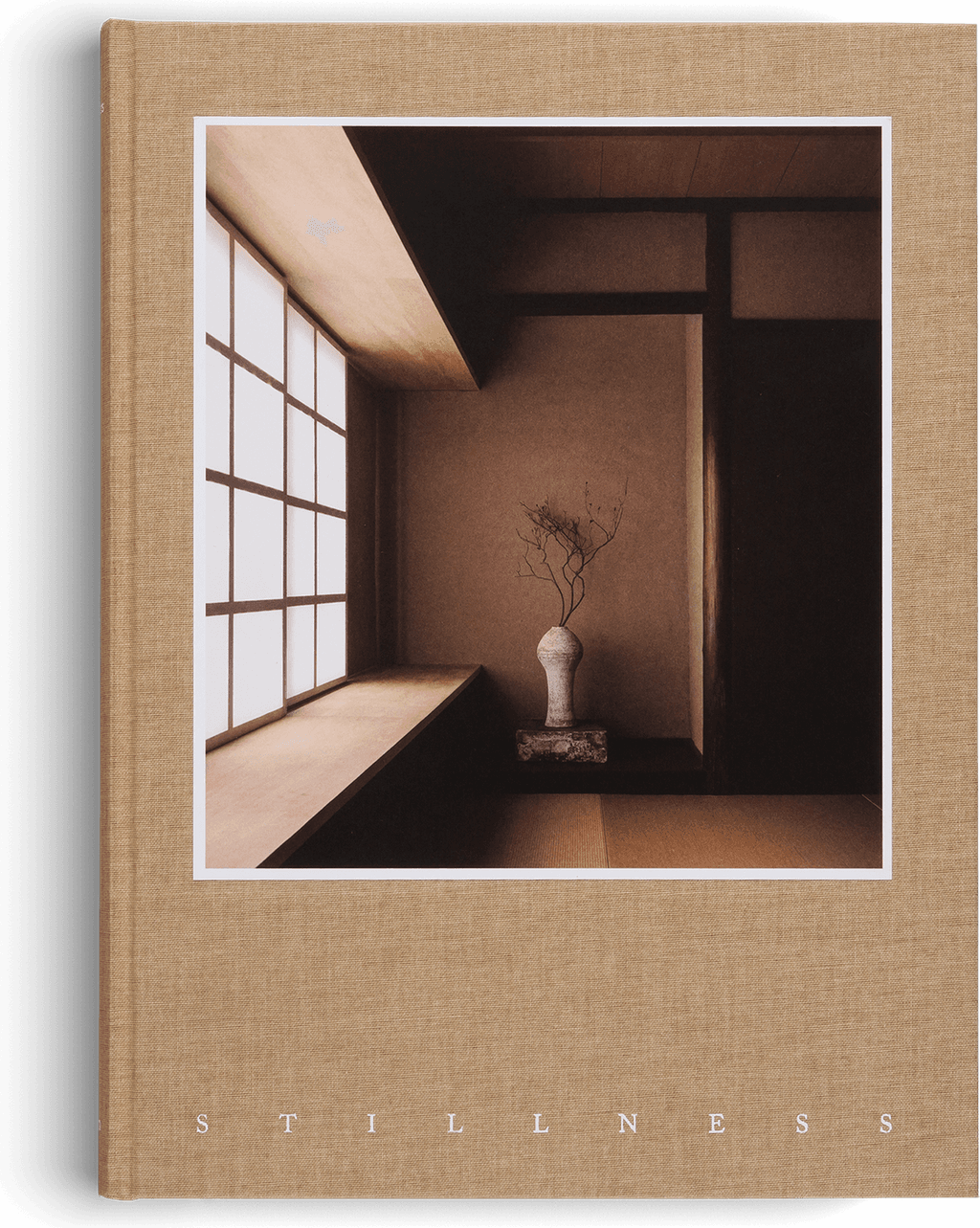
Gestalten · Architecture
Stillness
Norm Architects, Jonas Bjerre-Poulsen and 2 others
A Copenhagen studio documents a decade of Japan travel with real intelligence; the photographs are quieter than most architecture books, and the book is better for it.
304 pages33 × 25 cm