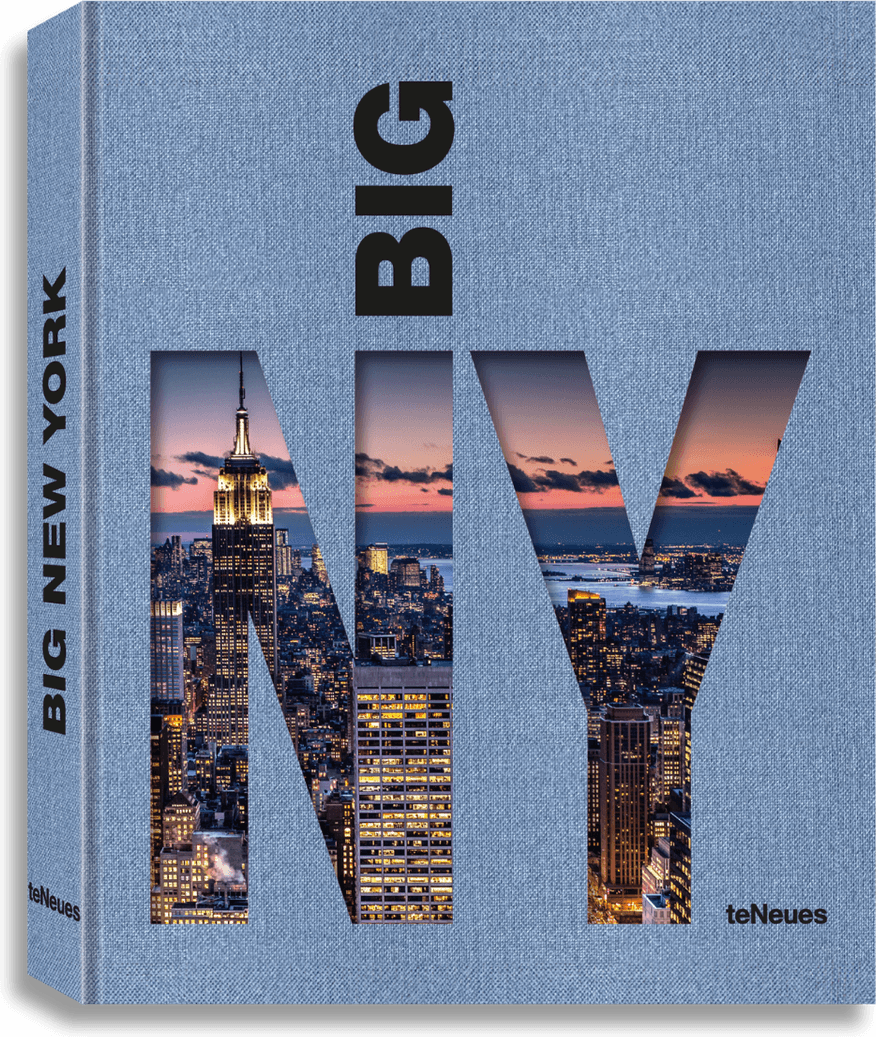
Cover courtesy of teNeues
Photography shelf · Slipcased
Big New York
The Most Iconic Photos
Photographs by Elliott Erwitt, Thomas Hoepker, Christophe Jacrot, Alan Schaller, Phil Penman, Misha Erwitt, Serge Ramelli
370×290mm hardback with luxury slipcase, 512 pages, approximately 400 colour and black and white plates, colour-edged pages, embossed cover. 1,822g. teNeues production standard for their oversized city portrait series.
- Publisher
- teNeues (2024)
- Pages
- 512 pages
- Size
- 37 × 29 cm
- Weight
- 1.8 kg
- Binding
- Hardback in slipcase
- ISBN-13
- 9783961716081
Seven decades of New York, fourteen photographers, one XXL slipcase. The range is the point.
The editors' view
teNeues has form with the format: oversized city books produced to collector standards, built around a group of photographers rather than a text essay. Big New York follows this approach. Fourteen photographers contributed work, and their approaches are genuinely different from each other. Elliott Erwitt's black and white images are from the mid-twentieth century; Thomas Hoepker's street photography carries a German photojournalist's eye for the telling moment; Christophe Jacrot works almost exclusively in rain and low light, producing scenes of the city that most New York books avoid. Phil Penman and Misha Erwitt (Elliott's son) represent more recent street work; Alan Schaller brings a high-contrast London sensibility to Manhattan's geometry; Serge Ramelli shoots long exposures and lit cityscapes. The remaining seven contributors fill out the span.
The result covers roughly seven decades of the city without being organised chronologically. Each photographer gets their own chapter with a short biography, so the visual differences are contextualised rather than left as a series of unmarked tonal shifts. The dual English and German text reflects teNeues's German publishing origins.
The object has been made to hold attention: 370×290mm, 512 pages, colour-edged pages, an embossed cover, and a slipcase with a cut-out window. At 1,822g, it is not a book you read in an armchair. The colour-edge technique echoes the fore-edge painting tradition of old library bindings, though here it reads more as graphic design.
The 14-photographer model is the same approach teNeues used in its Big Los Angeles and Big Paris volumes. Readers familiar with those will know what they are getting. Those new to this series will find it a broader introduction to New York's photographic history than most single-subject options manage.
Shelved alongside
teNeues · Photography
Mother: A Tribute to Mother Earth
Marsel van Oosten
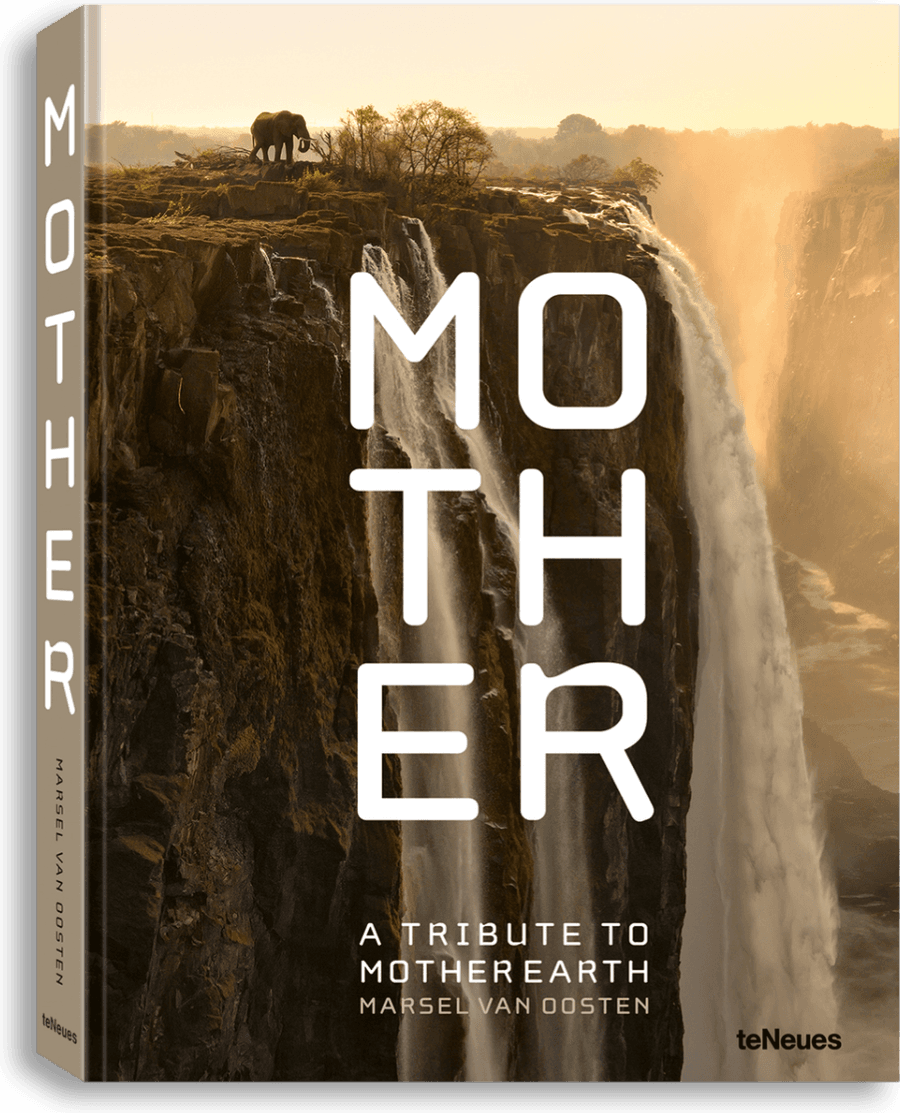
Van Oosten works at the scale of a single subject: one elephant, one waterfall, one tree. In a 270 x 360mm format, printed by teNeues, that turns out to be quite enough.
320 pages36 × 27 cm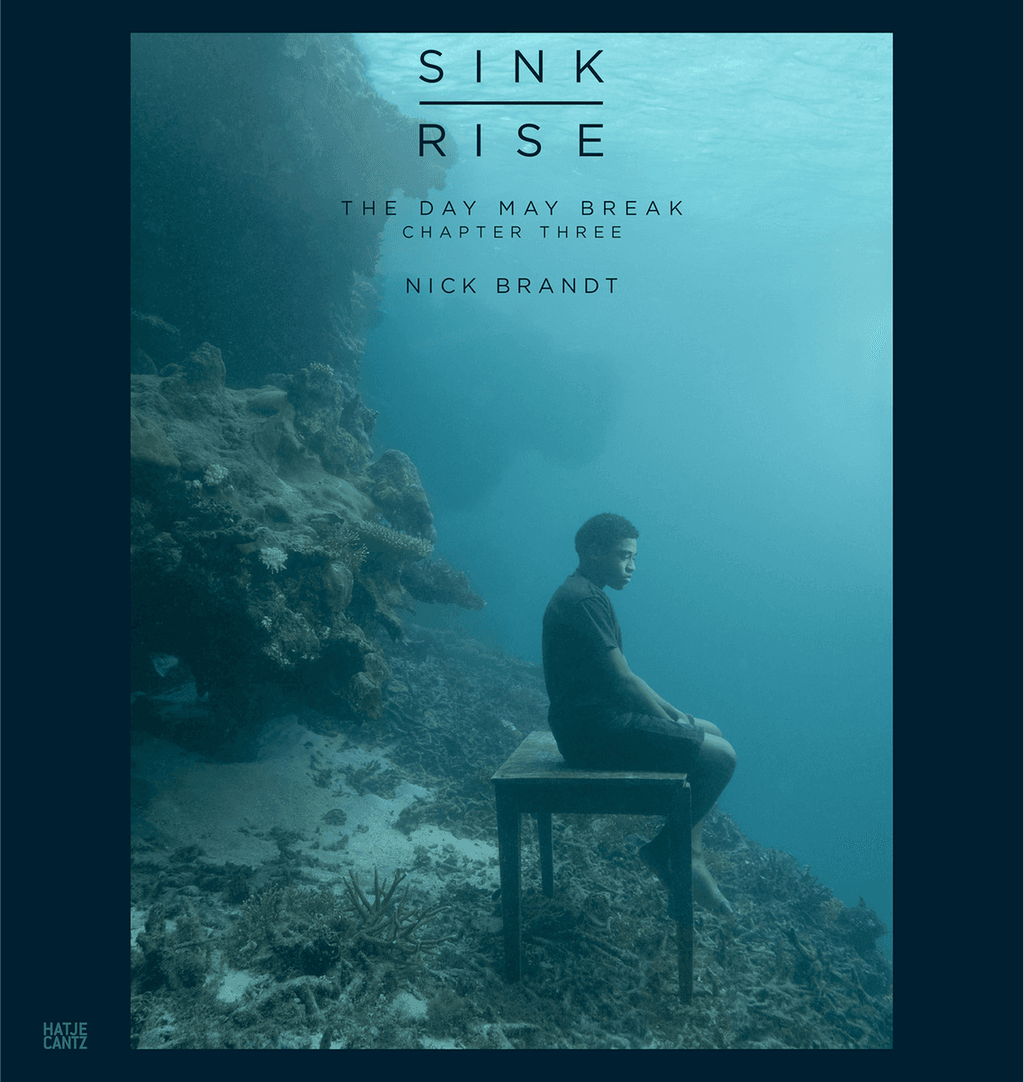
Hatje Cantz · Photography
SINK / RISE: The Day May Break, Chapter Three
Nick Brandt, Zoë Lescaze and 1 other
The photographs in this book should not exist. Nick Brandt somehow made them anyway, entirely in-camera, on the ocean floor off Fiji.
120 pages32 × 31 cm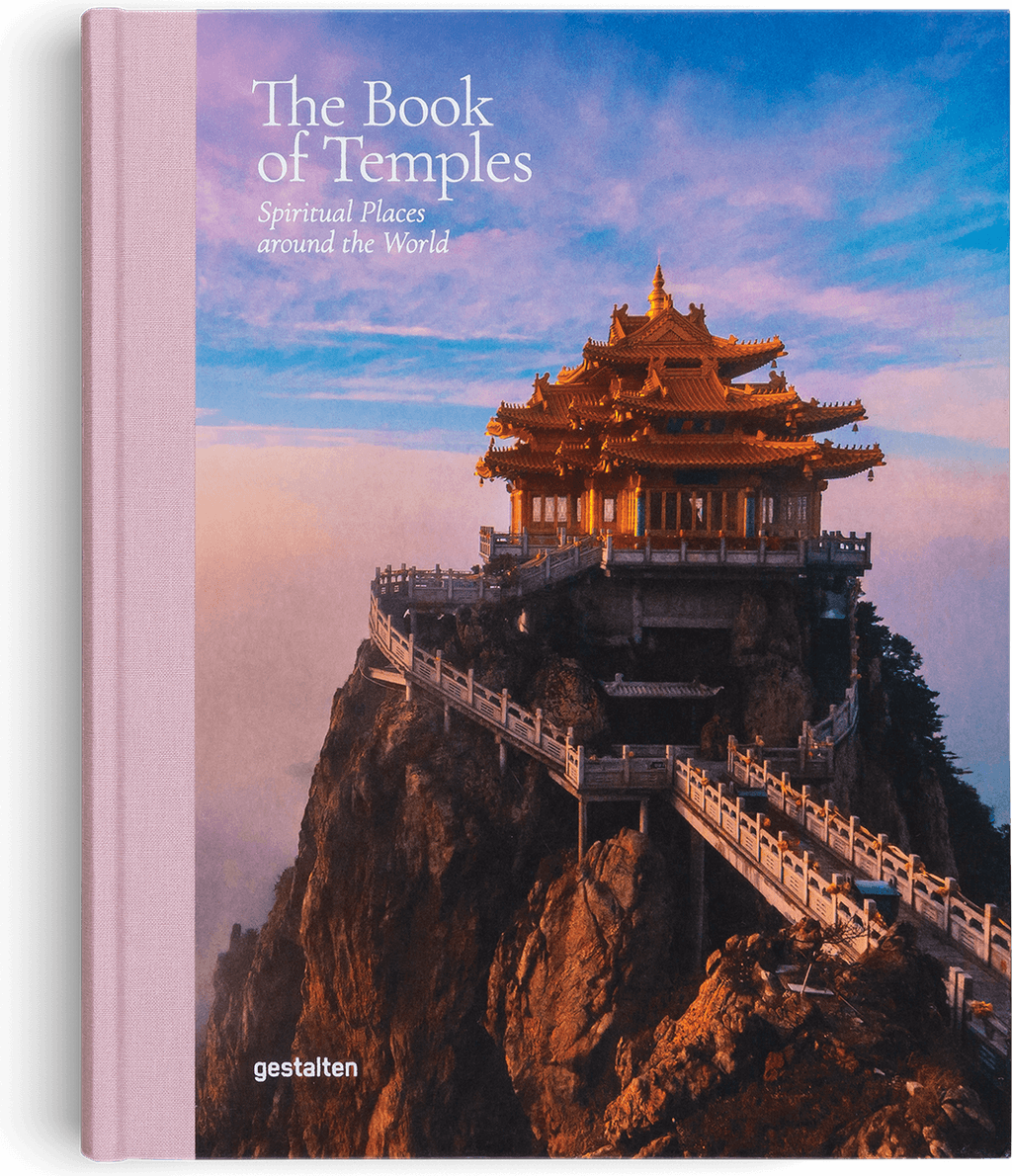
Gestalten · Architecture
The Book of Temples
Marianne Julia Strauss
A wide-angle survey of 50 sacred sites across five continents, arranged by ambition rather than faith: exactly what it is, and worth having on a table where visitors with different backgrounds will all find something familiar.
272 pages30 × 24 cm
Aperture · Photography
I'm So Happy You Are Here: Japanese Women Photographers from the 1950s to Now
Pauline Vermare, Lesley A. Martin and 5 others
The most comprehensive English-language survey of Japanese women's photography to date, and unusual for a picture book in having the scholarly translations to support that claim.
440 pages28 × 21 cm