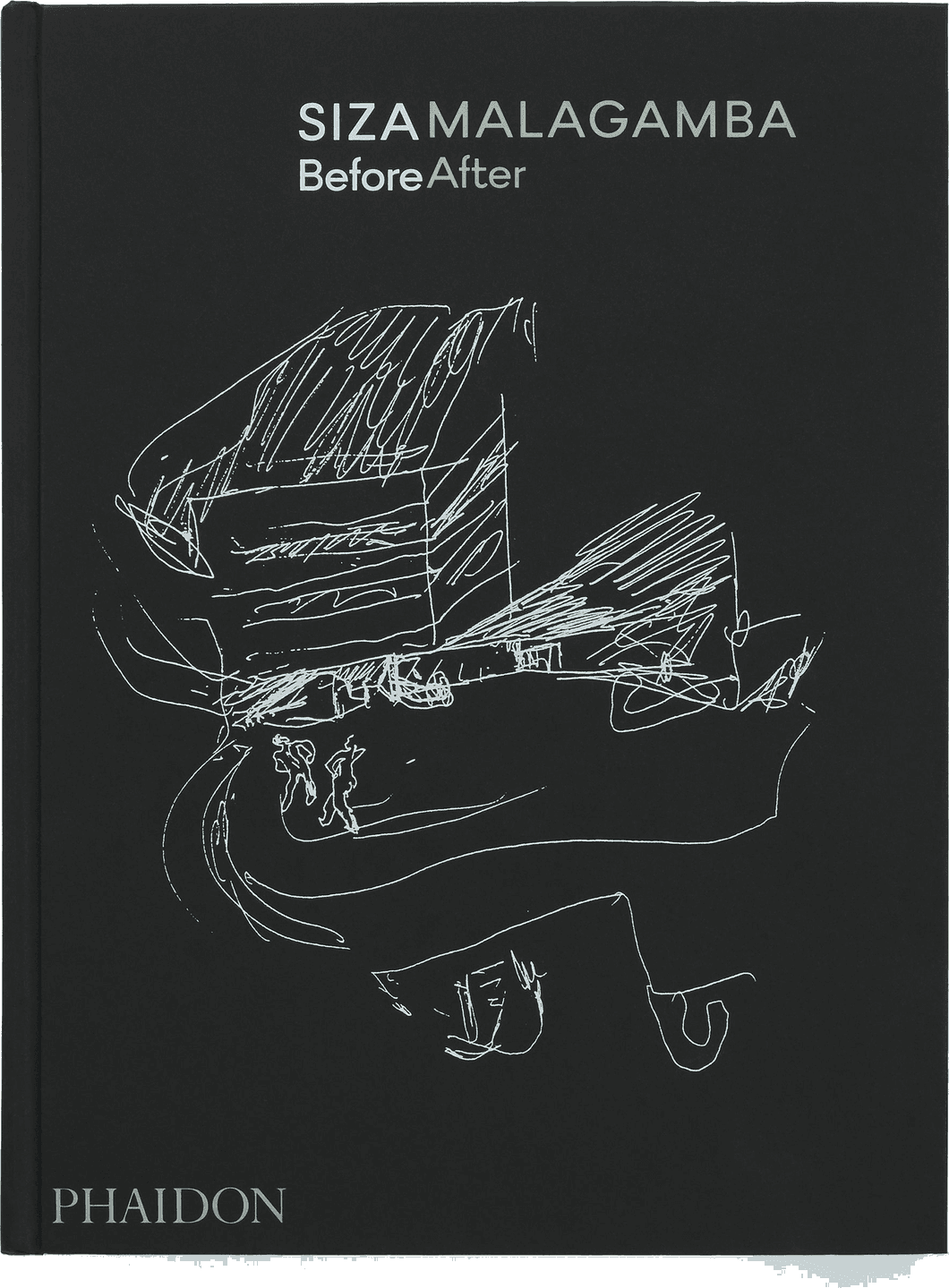
Cover courtesy of Phaidon
Architecture shelf · Hardback
Before / After: Álvaro Siza
By Álvaro Siza, Duccio Malagamba
320×240mm hardback, 312 pages, 330 illustrations. A Phaidon architecture monograph with the publisher's characteristic full-bleed plate reproduction. Large enough to give Malagamba's architectural photography the space it needs; not so large that the hand drawings lose their intimacy.
- Publisher
- Phaidon (2024)
- Imprint
- Phaidon
- Pages
- 312 pages
- Size
- 32 × 24 cm
- Binding
- Hardback
- ISBN-13
- 9781838668181
Siza at 91, choosing his own twenty. Malagamba's photographs and the architect's hand drawings together make the case for why the work still matters.
The editors' view
Álvaro Siza turned 91 in 2024, and Phaidon has produced what amounts to a self-selected retrospective. The architect chose twenty projects from a career spanning seven decades, and each one is presented through two sets of marks: Duccio Malagamba's photographs, and Siza's own hand drawings. The pairing is central to how the book works. Malagamba has photographed Siza's buildings for thirty years; his images show the spaces inhabited, furnished, and lit as their architect intended. The drawings are a different kind of evidence: Siza's preliminary thinking made visible.
The twenty projects span Belgium, Brazil, France, Germany, Portugal, South Korea, and Spain. Pritzker Prize winner, RIBA Royal Gold Medal recipient, Praemium Imperiale laureate: the career honours are well known, but what the book conveys is the discipline of someone who has spent a lifetime making walls, light, and thresholds behave in precise relation to each other. Malagamba's training as an architect means he looks at space rather than surface, and the photographs read differently for it.
The selection mechanism gives the book a different character from the standard critical survey. These are the twenty buildings Siza considers worth returning to, not a curator's choice or a publisher's chronology. The drawings that accompany each project are working sketches, not presentation images, so the reader gets some sense of how a building was found rather than simply what it looks like finished.
At 320×240mm, 312 pages, and 330 illustrations, the format is larger than Phaidon's standard architecture titles. Wallpaper* called it "a hard-to-miss architecture book of pure aesthetic delight." Architectural Record noted that Malagamba captures "the architect's famously exacting work furnished, in use, and full of life."
Shelved alongside
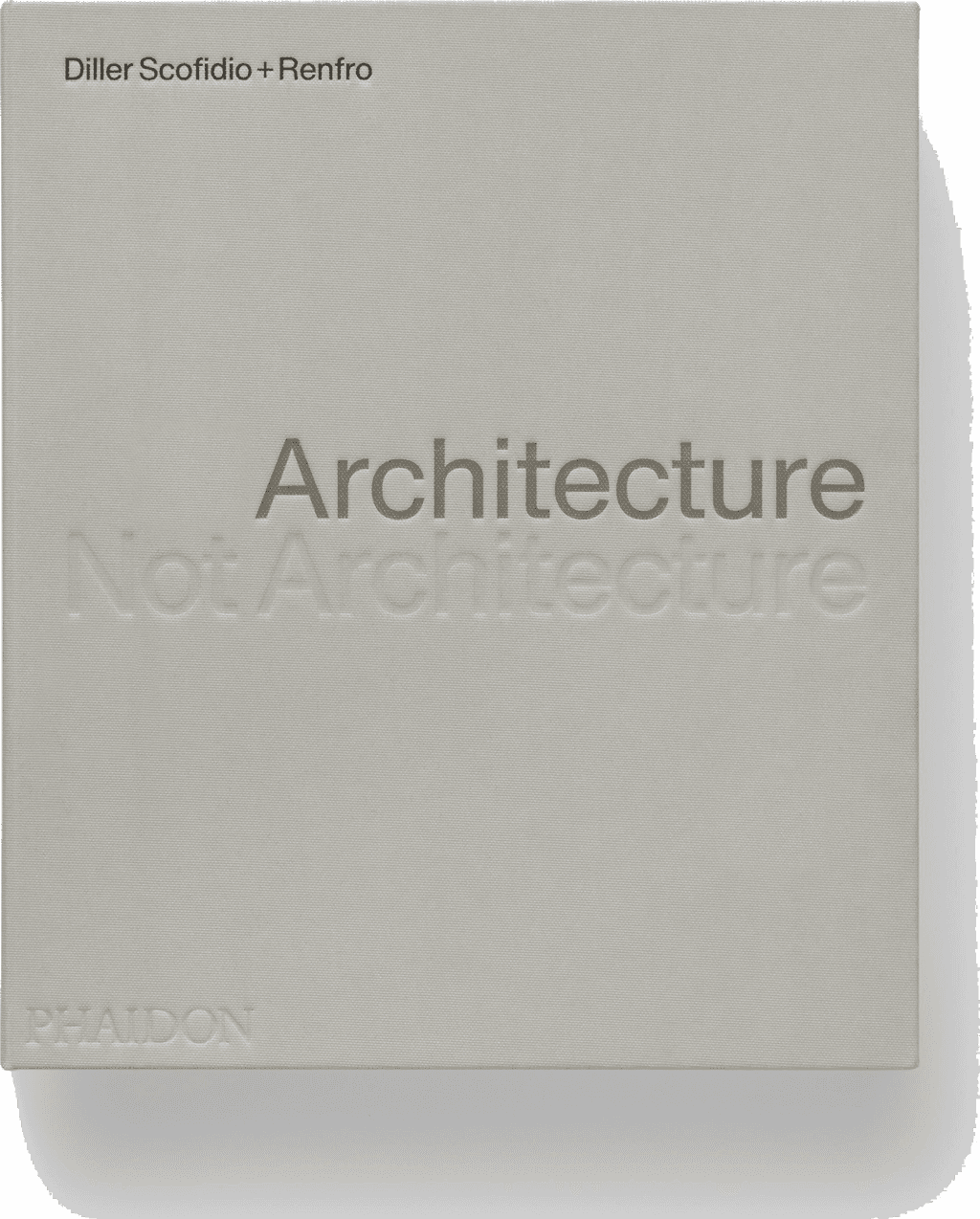
Phaidon · Architecture
Architecture, Not Architecture: Diller Scofidio + Renfro
Diller Scofidio + Renfro, 2x4 and 2 others
A studio monograph that is itself a work of design: two conjoined volumes, 792 pages, and four decades of work that refuses to stay inside architecture.
792 pages29 × 25 cm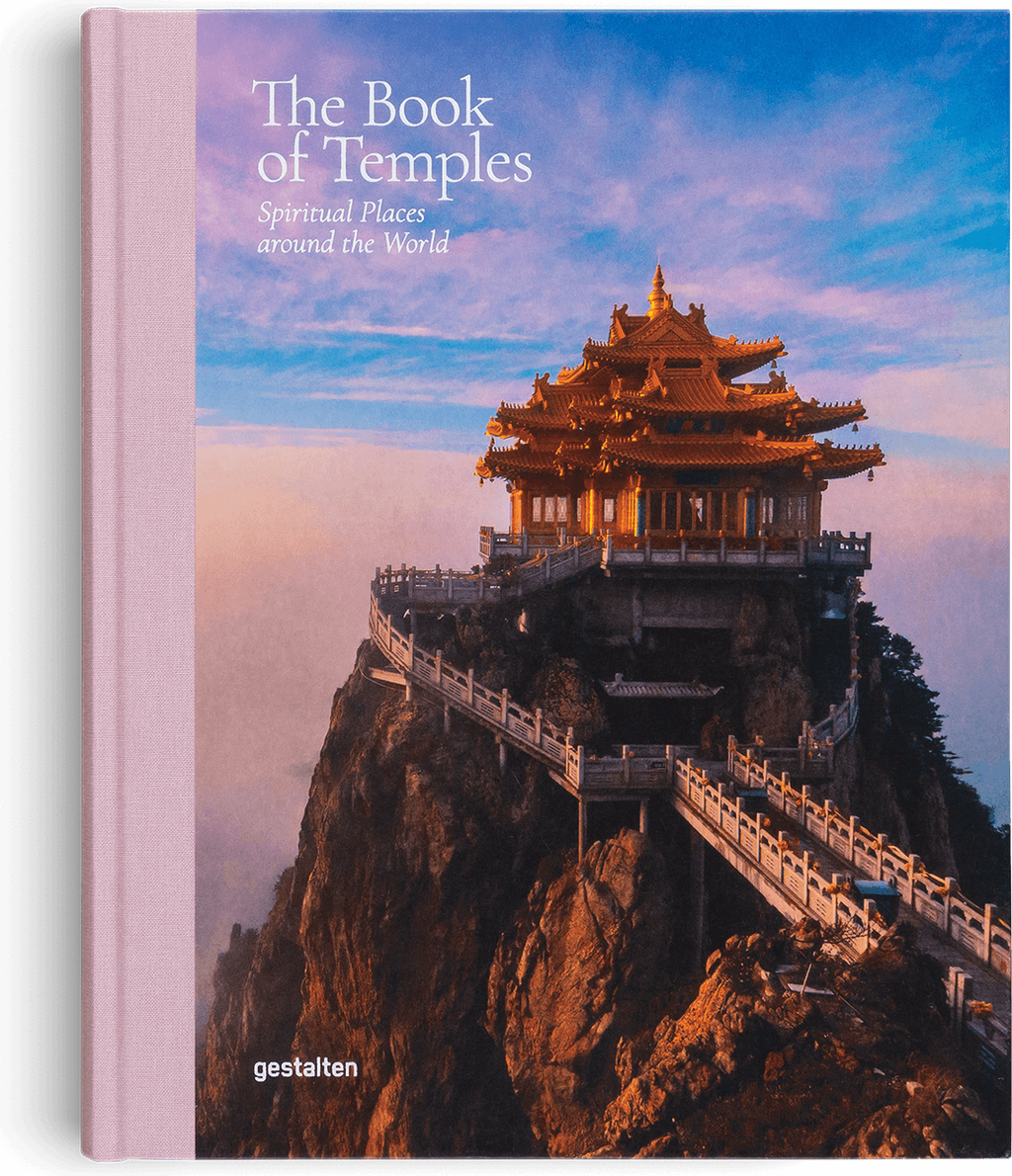
Gestalten · Architecture
The Book of Temples
Marianne Julia Strauss
A wide-angle survey of 50 sacred sites across five continents, arranged by ambition rather than faith: exactly what it is, and worth having on a table where visitors with different backgrounds will all find something familiar.
272 pages30 × 24 cm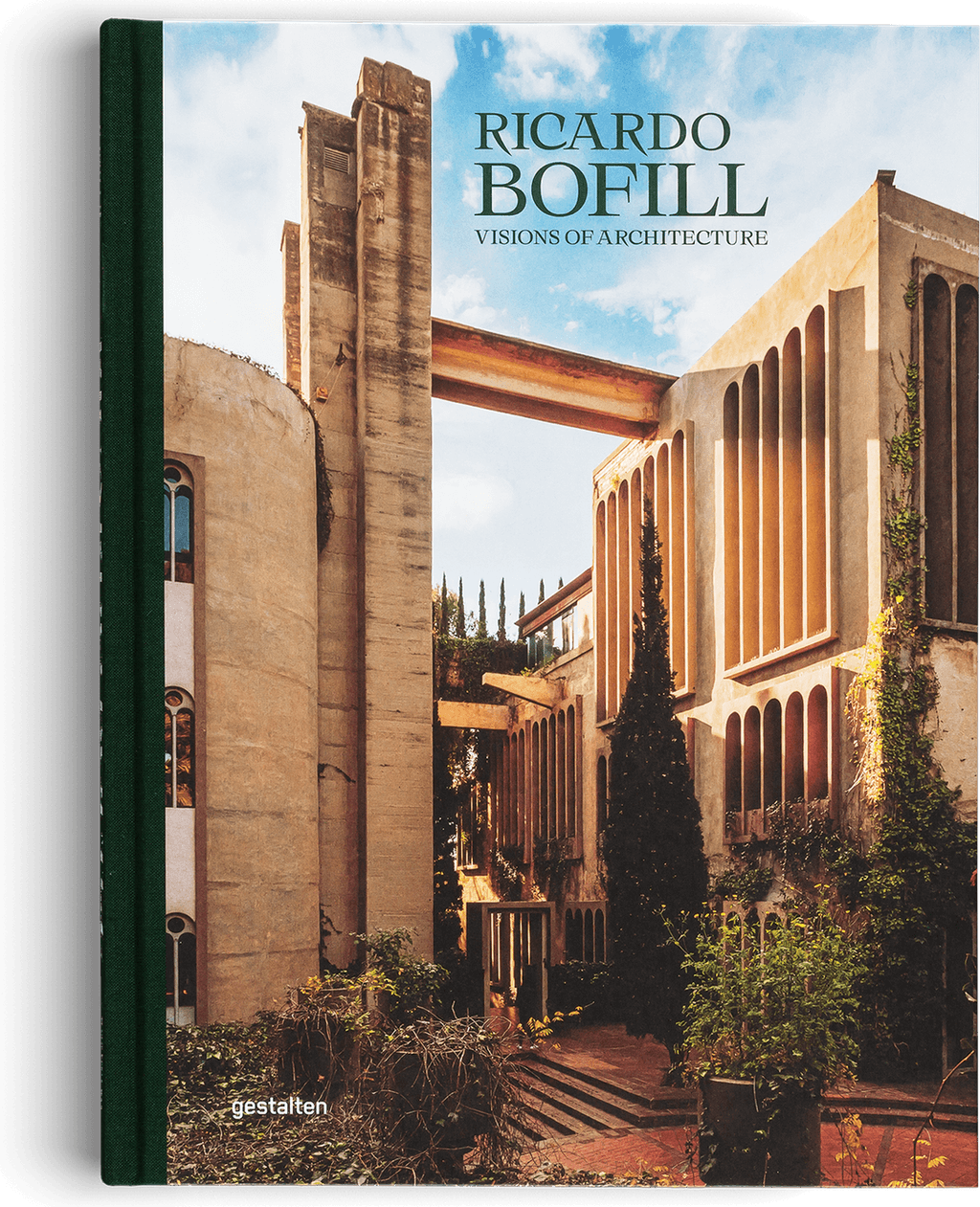
Gestalten · Architecture
Ricardo Bofill
Ricardo Bofill, Pablo Bofill and 3 others
A serious monograph on one of the twentieth century's most architecturally unclassifiable figures, updated with photography that earns its place alongside the buildings.
304 pages33 × 25 cm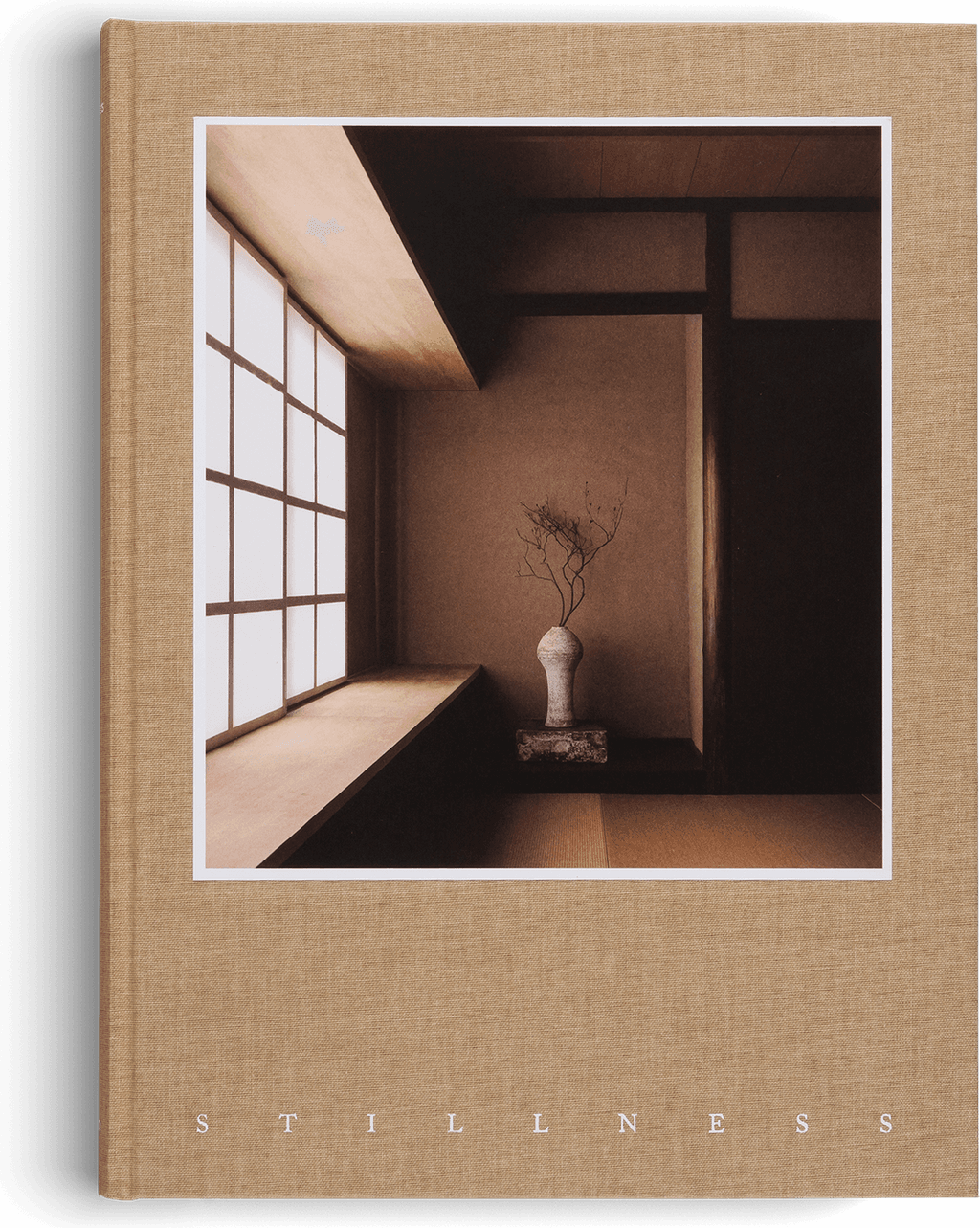
Gestalten · Architecture
Stillness
Norm Architects, Jonas Bjerre-Poulsen and 2 others
A Copenhagen studio documents a decade of Japan travel with real intelligence; the photographs are quieter than most architecture books, and the book is better for it.
304 pages33 × 25 cm