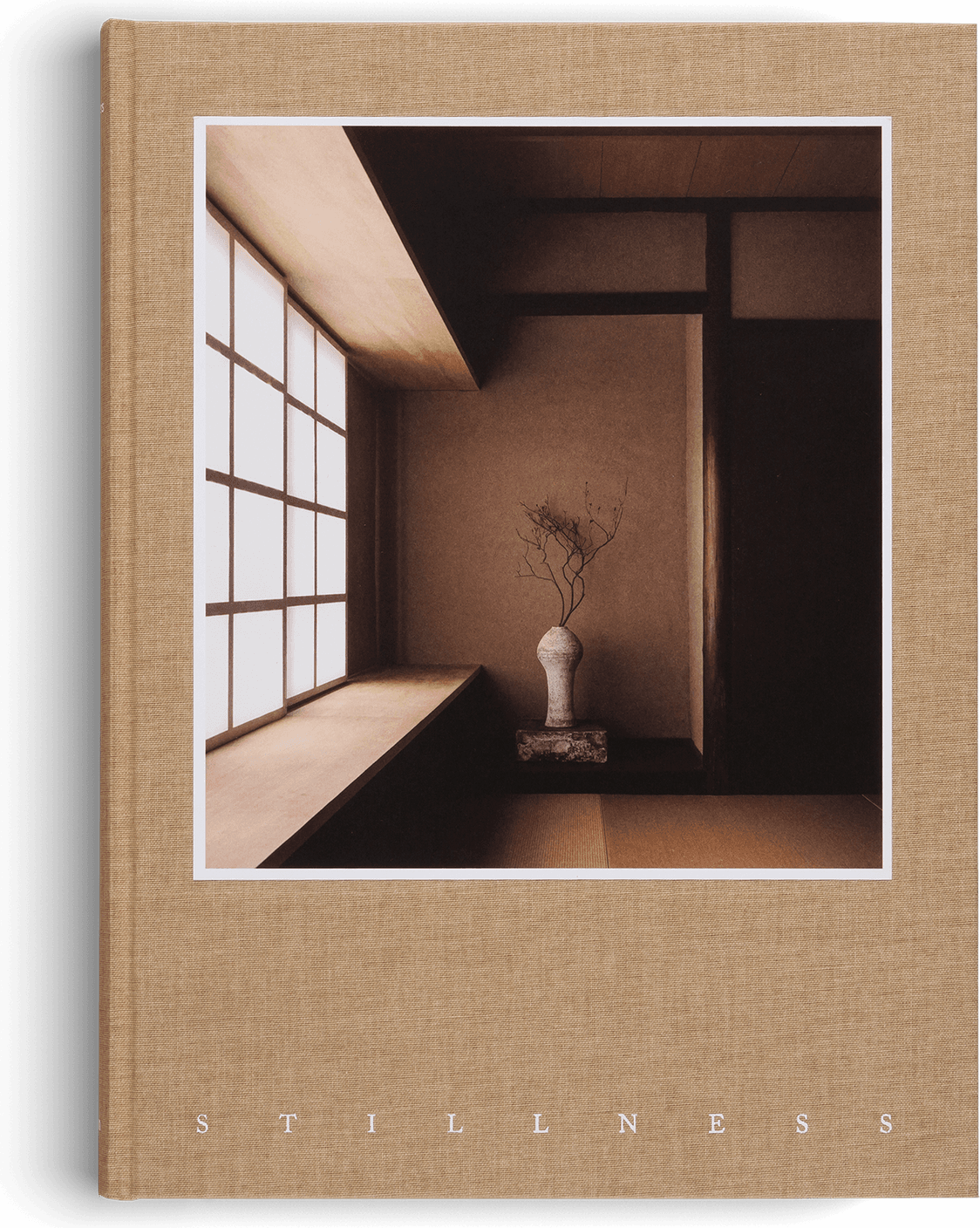
Cover courtesy of Gestalten
Architecture shelf · Hardback
Stillness
An Exploration of Japanese Aesthetics in Architecture and Design
By Norm Architects, Jonas Bjerre-Poulsen, Christian Møller Andersen, Amy Woodroffe
At 245 × 330mm, 304 pages, full-colour hardcover with stitch binding from Gestalten. The photography runs full-bleed across the large format, and the generous dimensions give the quiet subject matter room to work.
- Publisher
- Gestalten (2024)
- Pages
- 304 pages
- Size
- 33 × 25 cm
- Binding
- Hardback
- ISBN-13
- 9783967041583
A Copenhagen studio documents a decade of Japan travel with real intelligence; the photographs are quieter than most architecture books, and the book is better for it.
The editors' view
Norm Architects is a Copenhagen studio, and co-founder Jonas Bjerre-Poulsen started thinking seriously about Japan in 2017, when he first worked alongside Japanese craftspeople and felt what he described as an uncanny sense of belonging. Stillness, ten years of travel and research later, is the attempt to put that feeling on paper and between hard covers.
The book runs to 304 pages across five chapters, each approaching Japanese aesthetics from a different angle: landscape, architecture, material, craft, and the daily rituals that give Japanese spaces their quality of attention. Photography throughout is by Bjerre-Poulsen himself, whose eye is already trained on the emptied-out, on what a space holds when there is nothing left to add. The images from Japan sit alongside documentation of Norm's own projects, among them the Äng restaurant in Sweden and the Heatherhill Beach House on the Danish coast.
The argument at the centre of the book is that Scandinavian and Japanese design share a root that runs deeper than aesthetics. In Scandinavia, a Protestant austerity shapes the relationship to space; in Japan, the influence of Shinto and Zen Buddhism does the same work differently. Where Danish hygge finds comfort through objects, the Japanese concept of ma finds it in the intervals between them. Bjerre-Poulsen is interested in that gap. Editor Amy Woodroffe and consultants Danielle Demetriou and Malene Wagner give the essays their structure; the result is more considered than a studio monograph.
This is not the most scholarly treatment of Japanese aesthetics available. The comparative angle is personal, and architects wanting hard analysis of structural systems will come away wanting more. What it offers instead is a precise account of how one practice came to understand another culture's spatial thinking well enough to let it change their work. The detail-making in the photographs, many of which are full-bleed against the 245 × 330mm pages, rewards the format.
Shelved alongside
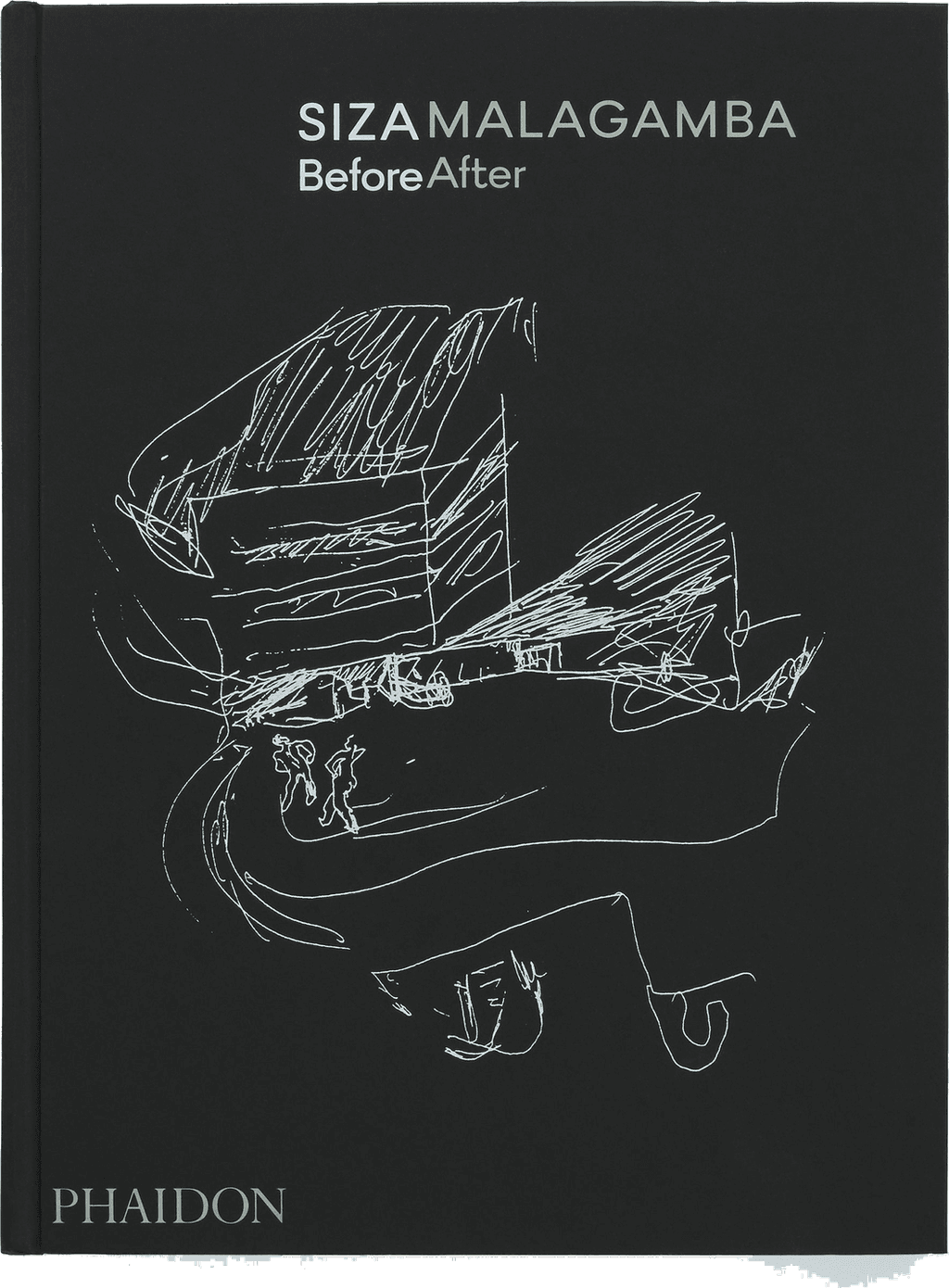
Phaidon · Architecture
Before / After: Álvaro Siza
Álvaro Siza, Duccio Malagamba
Siza at 91, choosing his own twenty. Malagamba's photographs and the architect's hand drawings together make the case for why the work still matters.
312 pages32 × 24 cm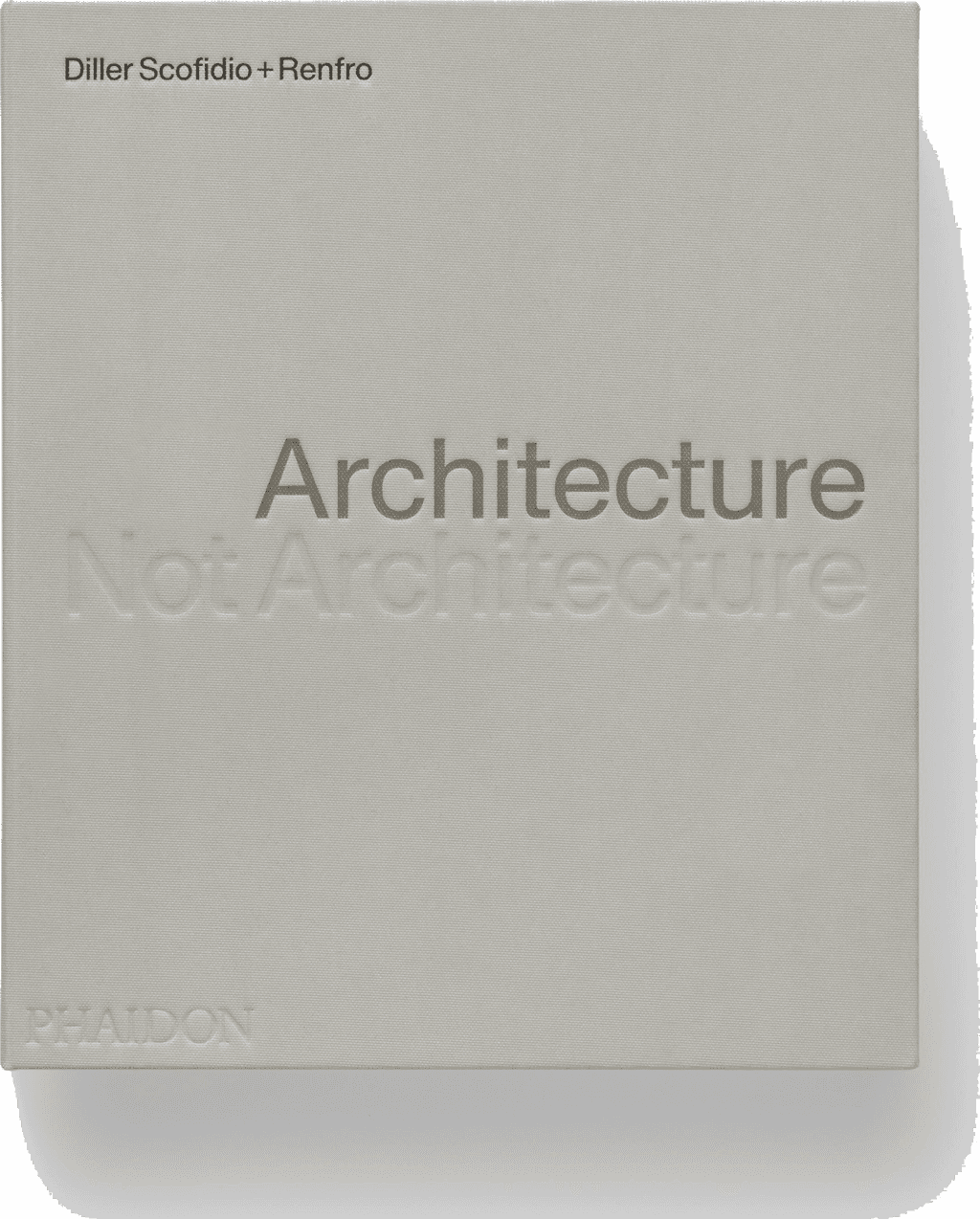
Phaidon · Architecture
Architecture, Not Architecture: Diller Scofidio + Renfro
Diller Scofidio + Renfro, 2x4 and 2 others
A studio monograph that is itself a work of design: two conjoined volumes, 792 pages, and four decades of work that refuses to stay inside architecture.
792 pages29 × 25 cm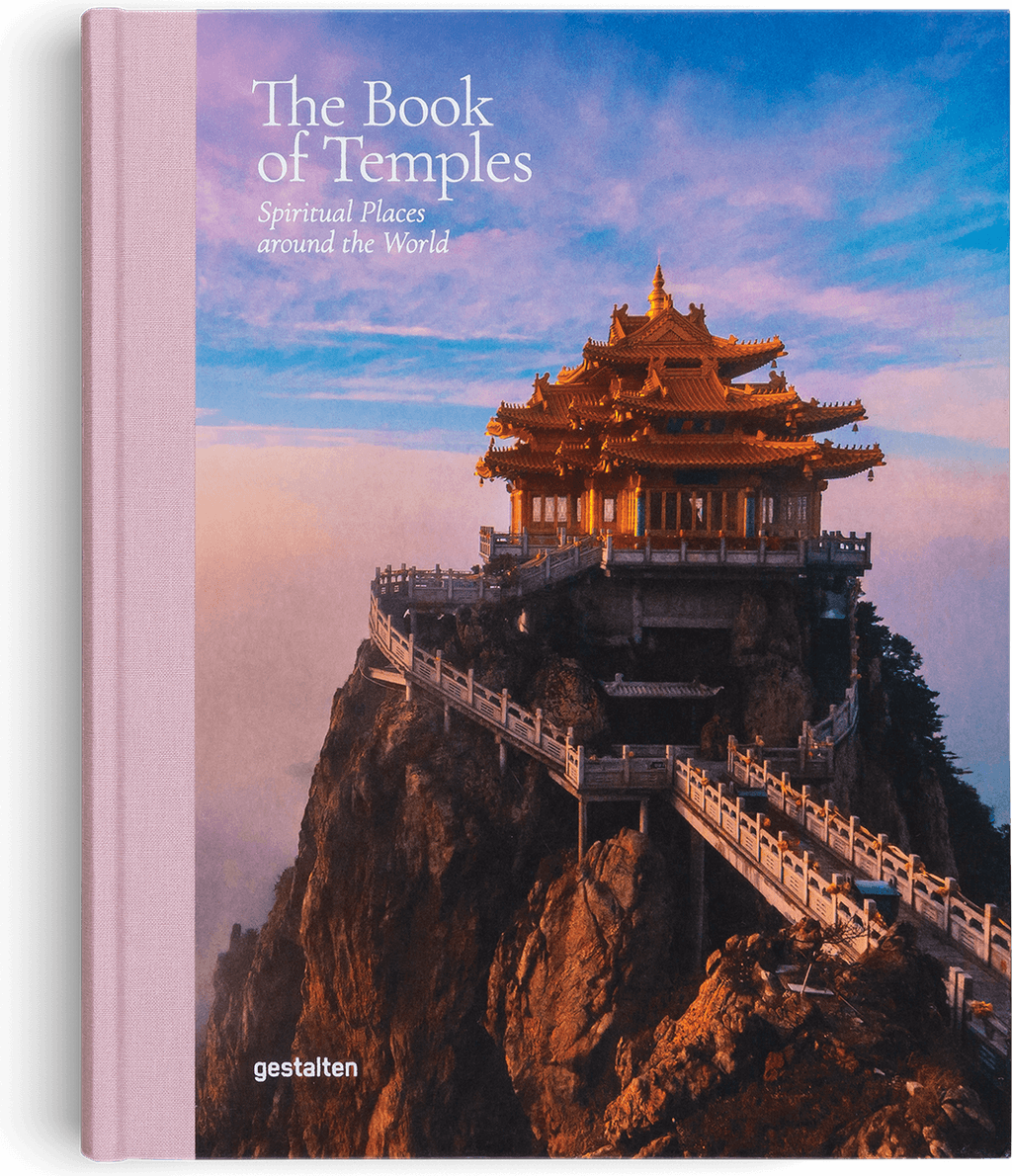
Gestalten · Architecture
The Book of Temples
Marianne Julia Strauss
A wide-angle survey of 50 sacred sites across five continents, arranged by ambition rather than faith: exactly what it is, and worth having on a table where visitors with different backgrounds will all find something familiar.
272 pages30 × 24 cm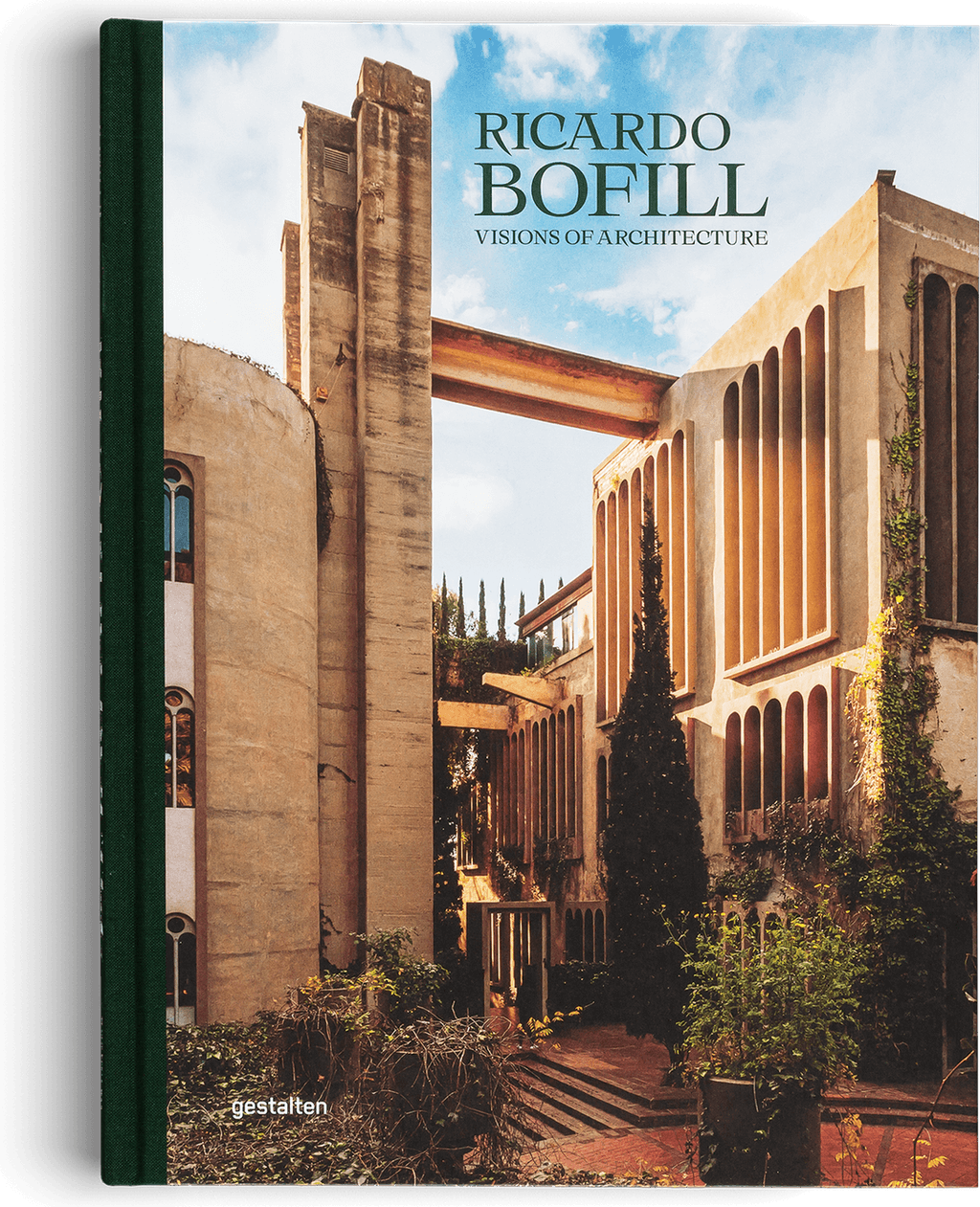
Gestalten · Architecture
Ricardo Bofill
Ricardo Bofill, Pablo Bofill and 3 others
A serious monograph on one of the twentieth century's most architecturally unclassifiable figures, updated with photography that earns its place alongside the buildings.
304 pages33 × 25 cm