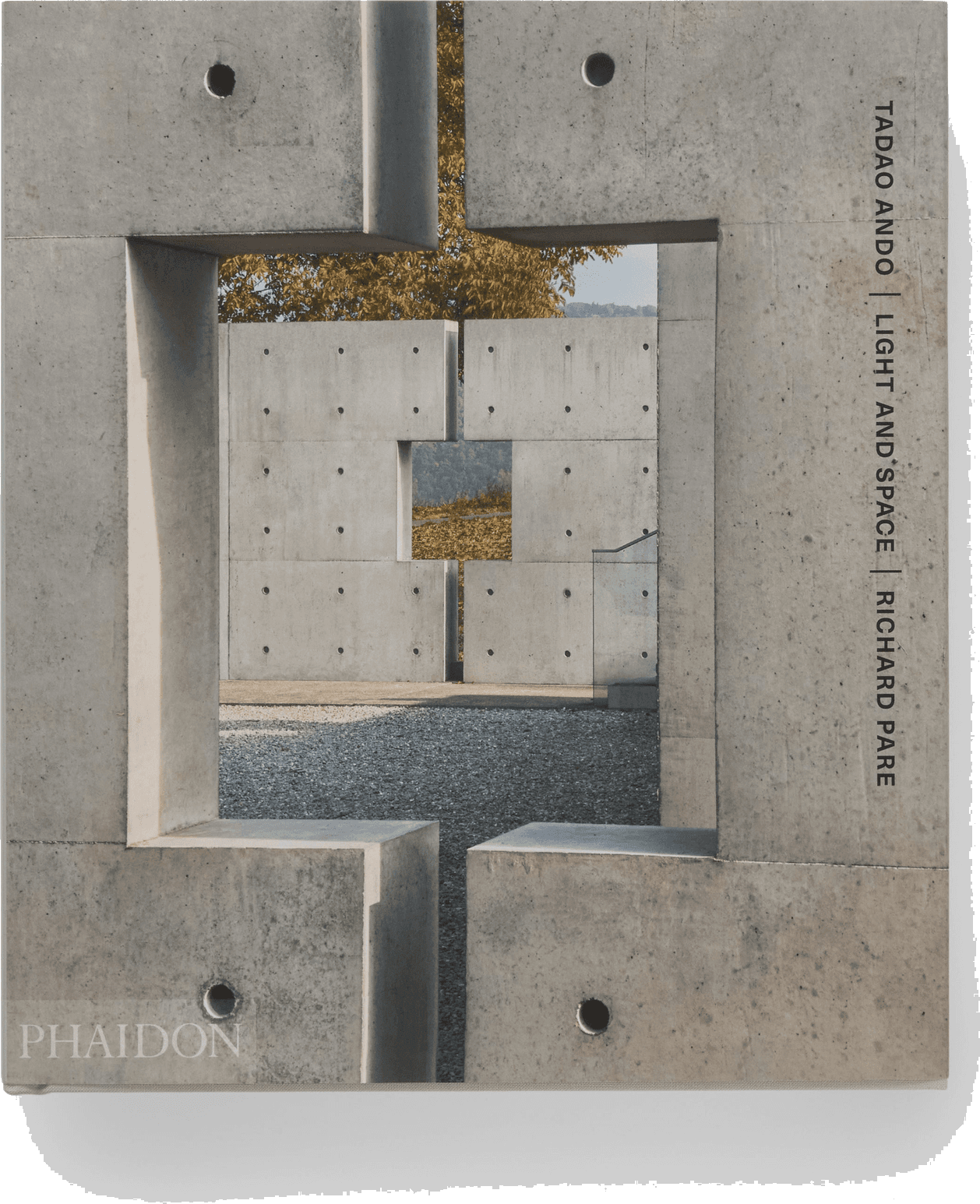
Cover courtesy of Phaidon
Architecture shelf · Clothbound
Tadao Ando: Light and Space
The Colours of Light Volume 2
By Tadao Ando, Richard Pare, Dominique Perrault
290 × 250mm clothbound jacketed hardback, 280 pages, 350 illustrations. Gatefolds throughout the plates section; four original Ando drawings on tissue paper inset; appendix on textured paper. Produced as a deliberate physical companion to the 1996 first volume.
- Publisher
- Phaidon (2025)
- Imprint
- Phaidon
- Pages
- 280 pages
- Size
- 29 × 25 cm
- Binding
- Clothbound hardback
- ISBN-13
- 9781838669294
Nearly three decades after *The Colours of Light*, this second instalment documents Ando's mature work as Pare has always understood it — in silence, and with the light exactly where Ando intended it.
The editors' view
Written by Eliza Marchant
Tadao Ando won the Pritzker Prize in 1995 and has been building with exposed concrete ever since, shaping interior space through the controlled admission of light rather than ornament. This monograph is the second volume in an ongoing record of that practice — the first, The Colours of Light, appeared in 1996 when Ando was at the height of his reputation; this new edition picks up from 2001 and documents 28 projects completed across the following two decades.
The photographer is Richard Pare, founding curator of photography at the Canadian Centre for Architecture, who has had a long working relationship with Ando. His images here are, by the publisher's account, mostly previously unpublished — which makes the book something of a primary archive rather than a compilation of familiar shots. Pare photographs Ando's work with the same discipline the buildings were made: no people, no furniture to suggest scale, no styling. What you get is concrete, light, shadow, and the particular silence of a space designed to resist distraction.
The 28 buildings stretch from the Pulitzer Arts Foundation in St. Louis — Ando's first American commission — to the Bourse de Commerce in Paris, completed in 2021. The sequence runs roughly chronologically, though the buildings are not labelled until the appendix, printed on textured paper and carrying technical specifications, sections, and plans. Gatefolds appear throughout the plates section. The book's physical production matches its subject: clothbound, jacketed, 290 × 250mm, a deliberate companion to the 1996 volume in format and materials. Ando contributed a foreword and four drawings printed on tissue paper inset — the only things in the book that feel fragile.
The introduction is by Dominique Perrault, the French architect. Architectural Record noted it "took nearly 30 years to get this beautiful volume" and called the wait worthwhile. That is broadly right: the time gap means this is a record of Ando's late major works rather than a mid-career survey, and Pare's long familiarity with the buildings gives the photographs an interpretive depth that a commissioned shoot would struggle to match.
Best suited to readers interested in architecture as spatial experience rather than biography. Not the book for anyone wanting career narrative or critical context; the buildings speak and the buildings are most of what is here.
Shelved alongside
teNeues · Photography
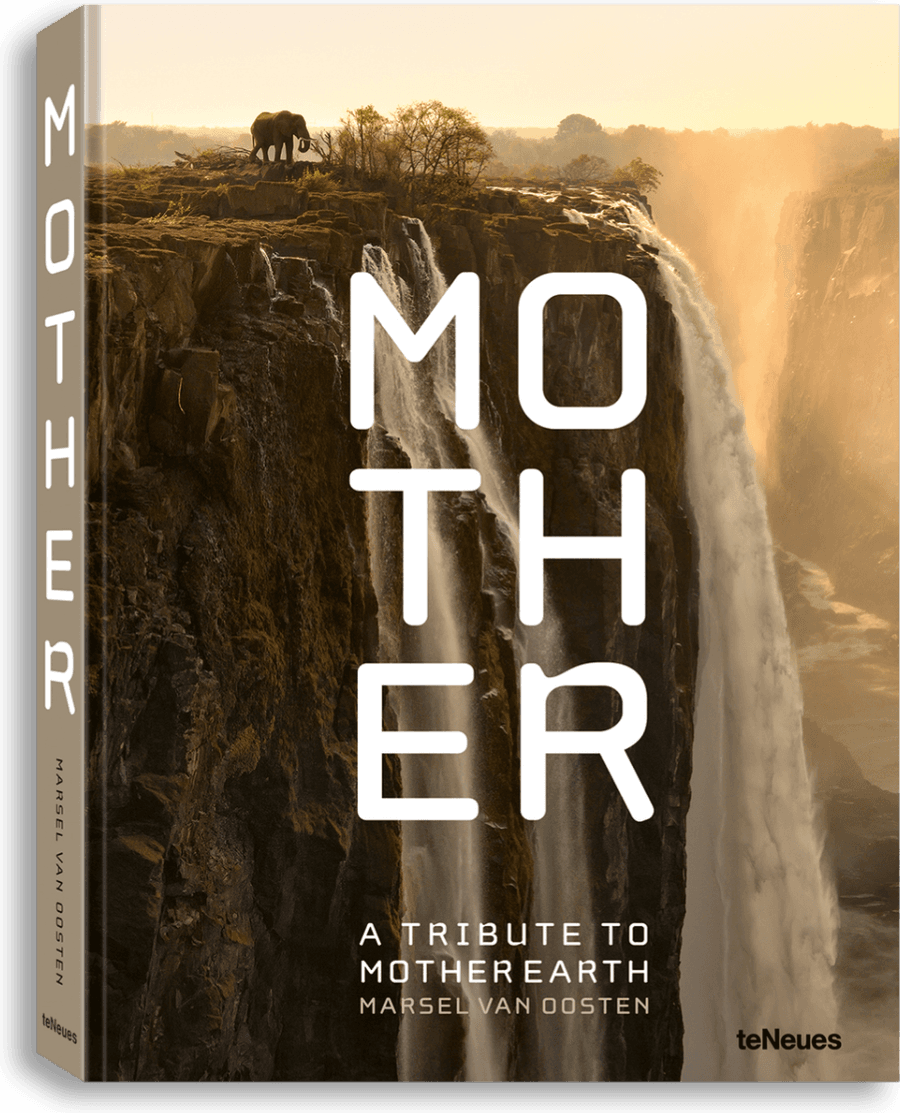
Mother: A Tribute to Mother Earth
Marsel van Oosten
Van Oosten works at the scale of a single subject: one elephant, one waterfall, one tree. In a 270 x 360mm format, printed by teNeues, that turns out to be quite enough.
320 pages36 × 27 cm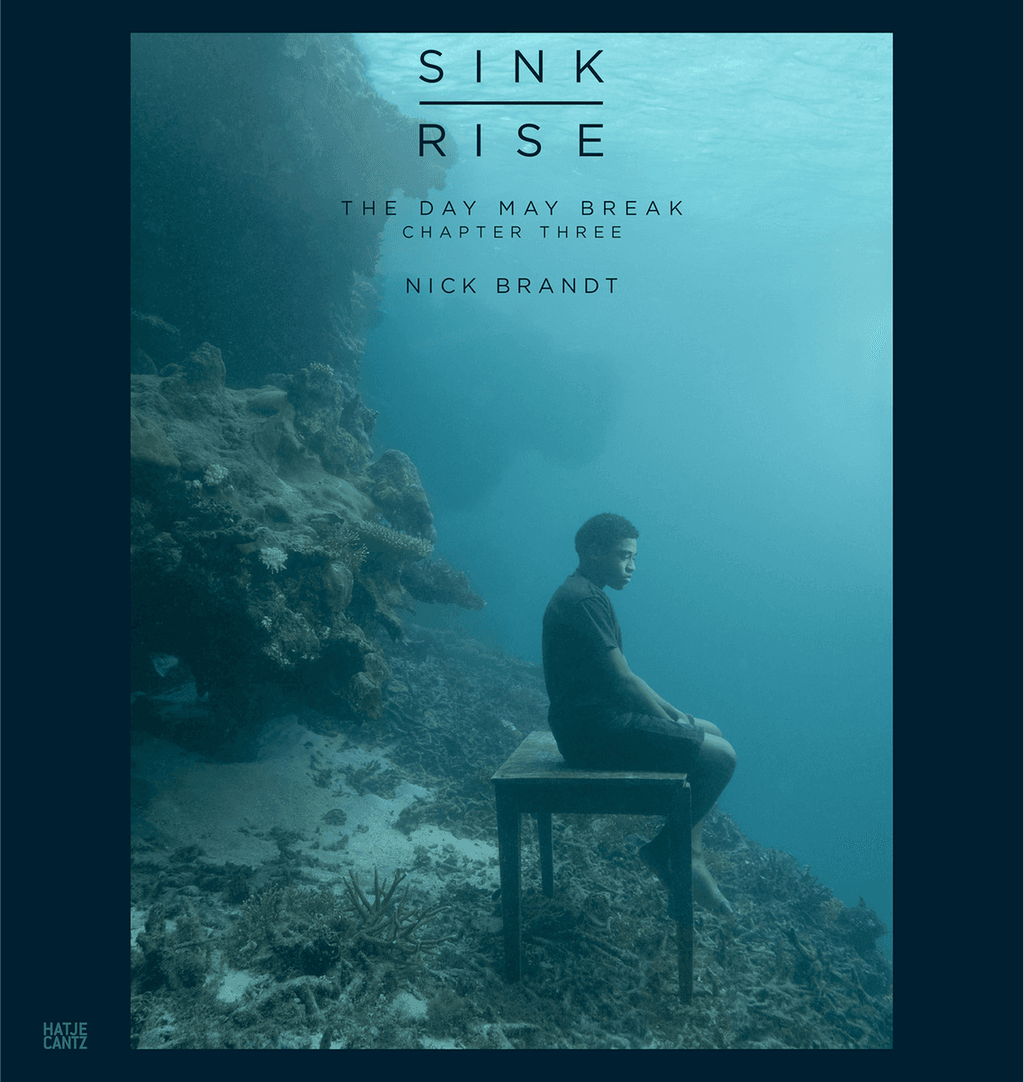
Hatje Cantz · Photography
SINK / RISE: The Day May Break, Chapter Three
Nick Brandt, Zoë Lescaze and 1 other
The photographs in this book should not exist. Nick Brandt somehow made them anyway, entirely in-camera, on the ocean floor off Fiji.
120 pages32 × 31 cm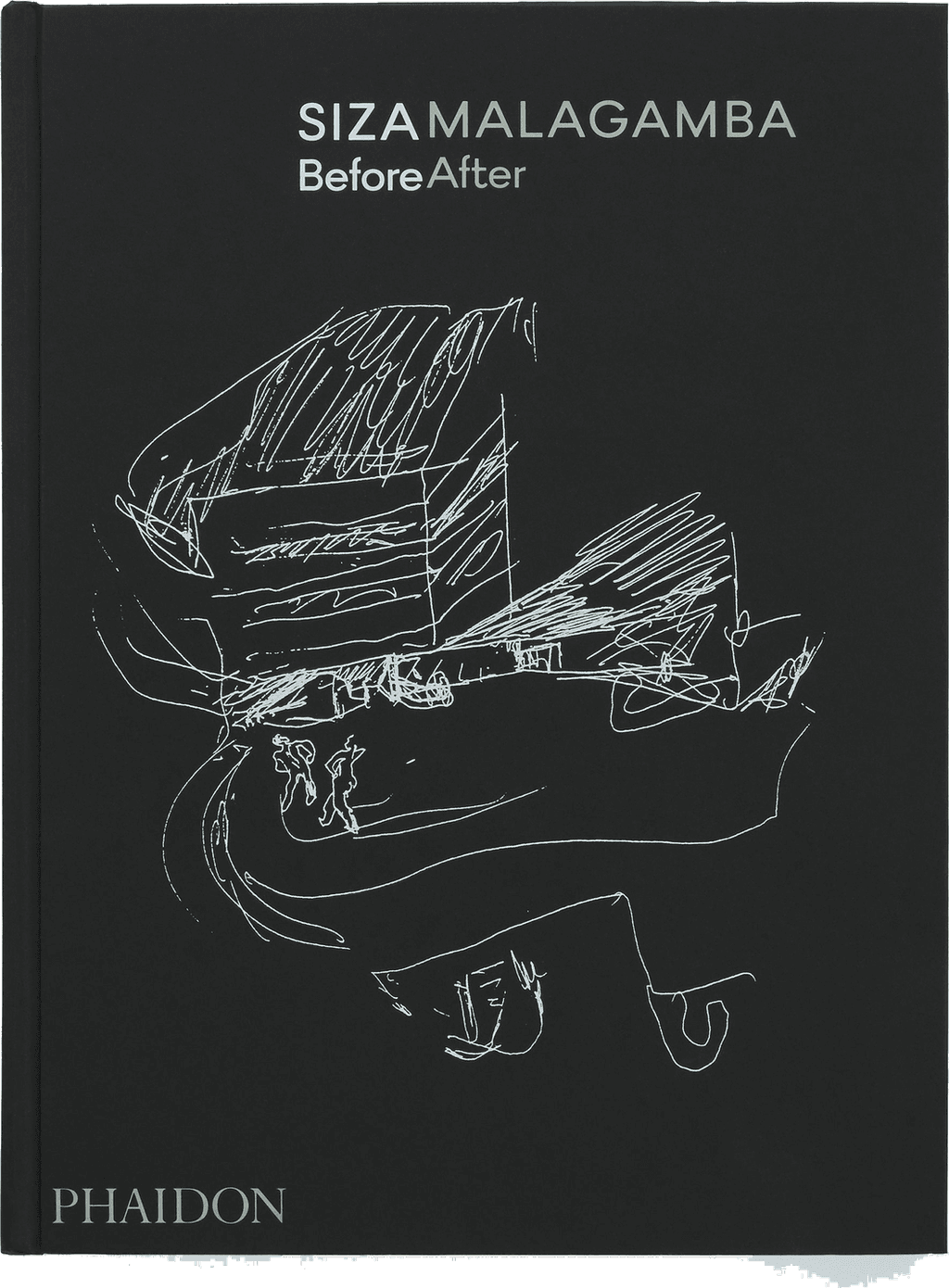
Phaidon · Architecture
Before / After: Álvaro Siza
Álvaro Siza, Duccio Malagamba
Siza at 91, choosing his own twenty. Malagamba's photographs and the architect's hand drawings together make the case for why the work still matters.
312 pages32 × 24 cm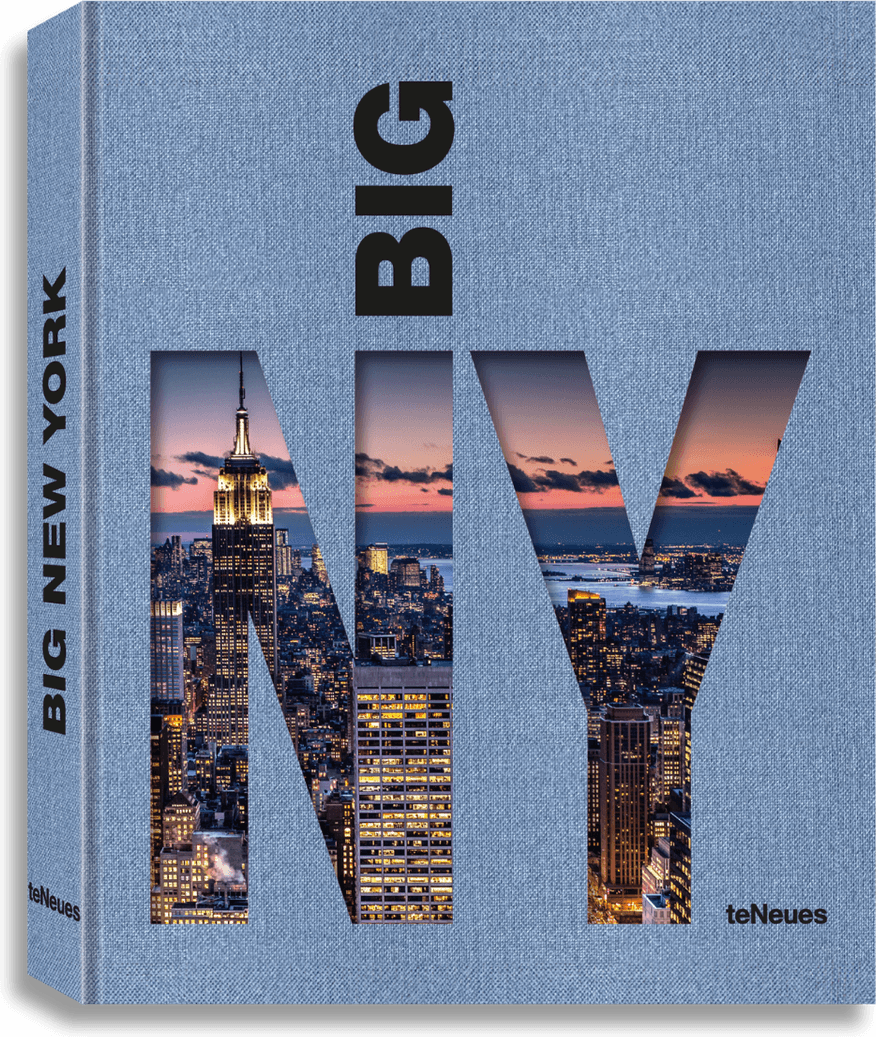
teNeues · Photography
Big New York
Elliott Erwitt, Thomas Hoepker and 5 others
Seven decades of New York, fourteen photographers, one XXL slipcase. The range is the point.
512 pages37 × 29 cm