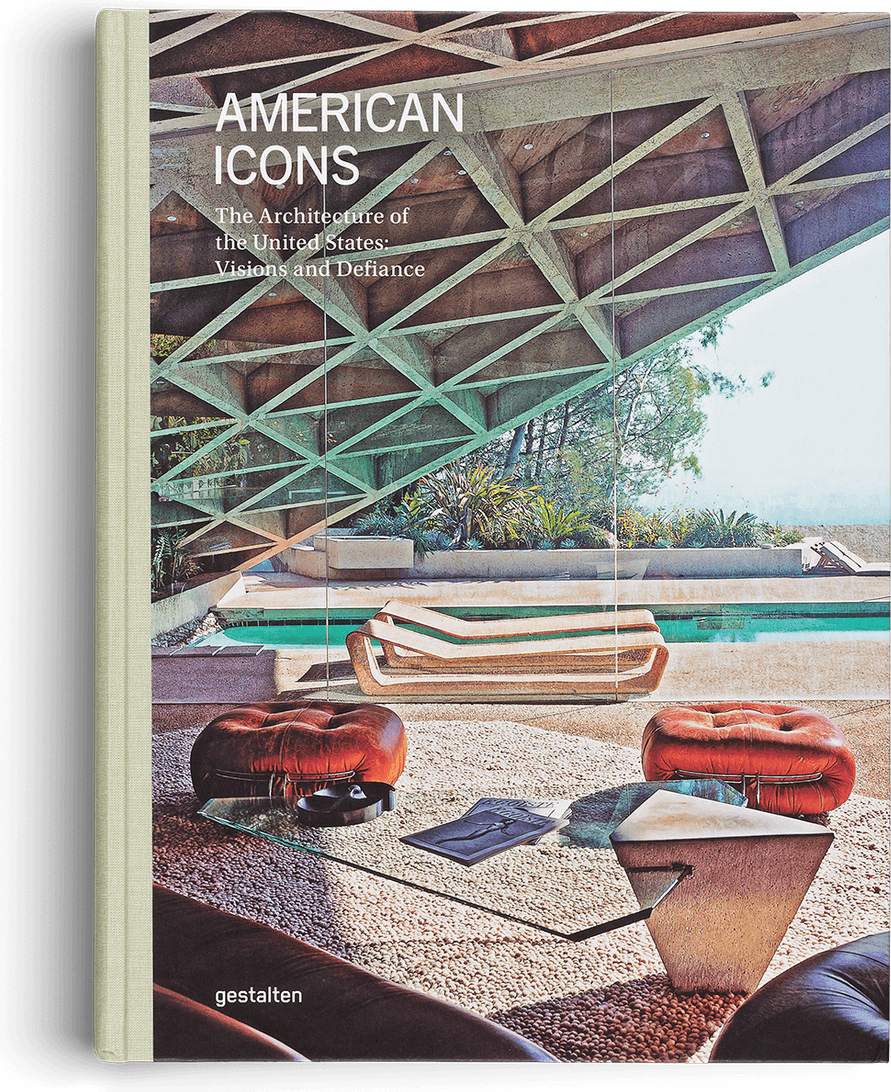
Cover courtesy of Gestalten
Architecture shelf · Hardback
American Icons
The Architecture of the United States: Visions and Defiance
By Sam Lubell
24.5 x 33cm hardcover, 288 pages, full colour, stitch bound, published by Gestalten in August 2024. The tall format accommodates vertical facades and skyline photography without cropping; Gestalten's production at this scale is consistently reliable.
- Publisher
- Gestalten (2024)
- Pages
- 288 pages
- Size
- 33 × 25 cm
- Binding
- Hardback
- ISBN-13
- 9783967041552
A case for American architecture as an act of resistance: 150 years of buildings that pushed back against whatever style everyone else was doing, in 288 pages of full-colour photography.
The editors' view
Sam Lubell's argument in American Icons runs against the standard account. Most histories of US architecture treat the arrival of Mies van der Rohe, Walter Gropius, and the other European Modernists in the 1930s as the moment the country woke up architecturally. Lubell is more interested in what was happening before that, and what continued alongside it: the organic tradition that Frank Lloyd Wright established and that John Lautner, Bruce Goff, and Fay Jones carried forward with varying degrees of commercial indifference.
The book covers buildings from 1891 to 2008, and the selection spans the whole country, including eighteen examples in California alone. The range is wider than a greatest-hits reel: alongside the obvious Wright houses and Mies towers, there are airports, museums, and private residences whose architects most people outside schools of architecture would not name on sight. What holds the selection together is the word in the subtitle: defiance. These are buildings that resisted the prevailing style of their moment.
The photography gives particular attention to textural detail: the grain of concrete, a roofline against scrubland, the way a window frames a hillside. The images are credited to multiple photographers rather than a single project, which gives the book a varied visual rhythm rather than a single voice. Lubell's essays sit alongside the images rather than sequestered in blocks, on the assumption that you will read and look simultaneously.
As a reference, the book is more useful than a celebration. Lubell has written more than ten architecture books for publishers including Rizzoli, Phaidon, and Monacelli; this one synthesises a clear argument about American design identity rather than simply anthologising. The subtitle, Visions and Defiance, names that argument plainly.
Shelved alongside
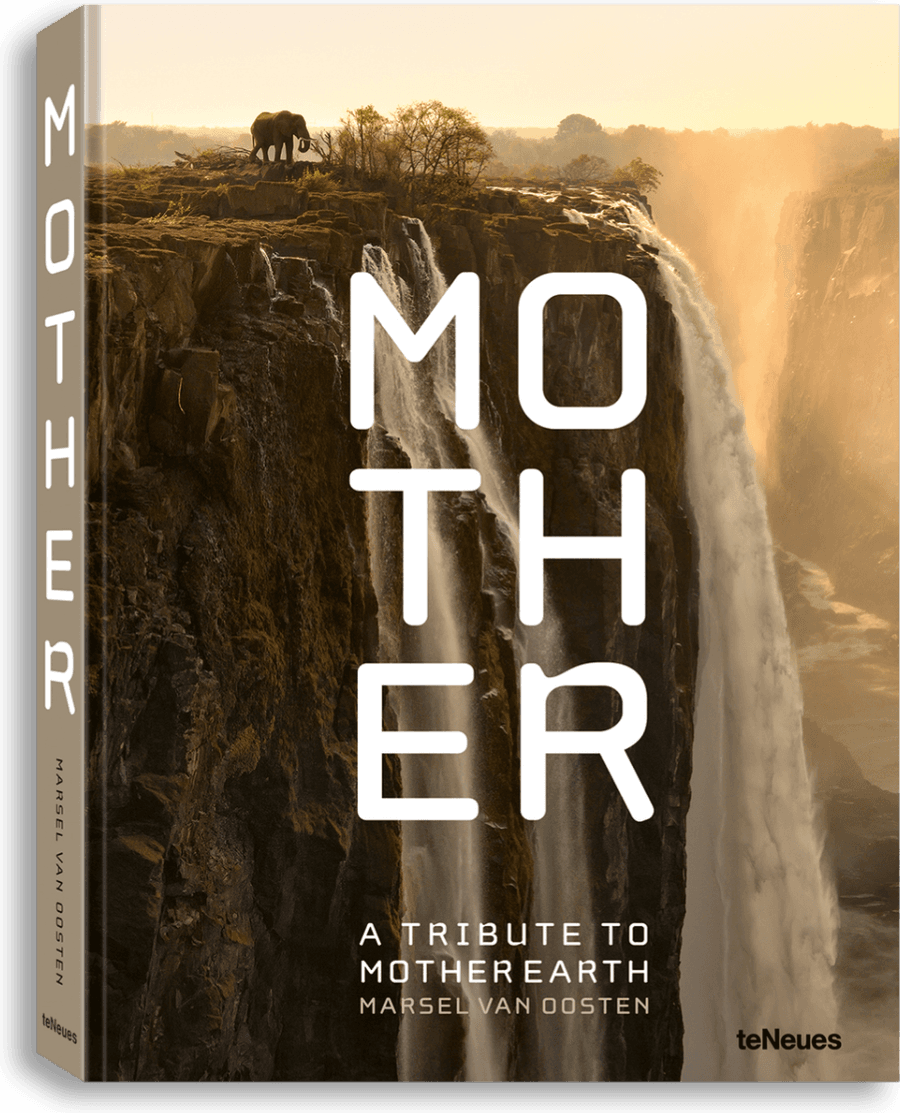
teNeues · Photography
Mother: A Tribute to Mother Earth
Marsel van Oosten
Van Oosten works at the scale of a single subject: one elephant, one waterfall, one tree. In a 270 x 360mm format, printed by teNeues, that turns out to be quite enough.
320 pages36 × 27 cm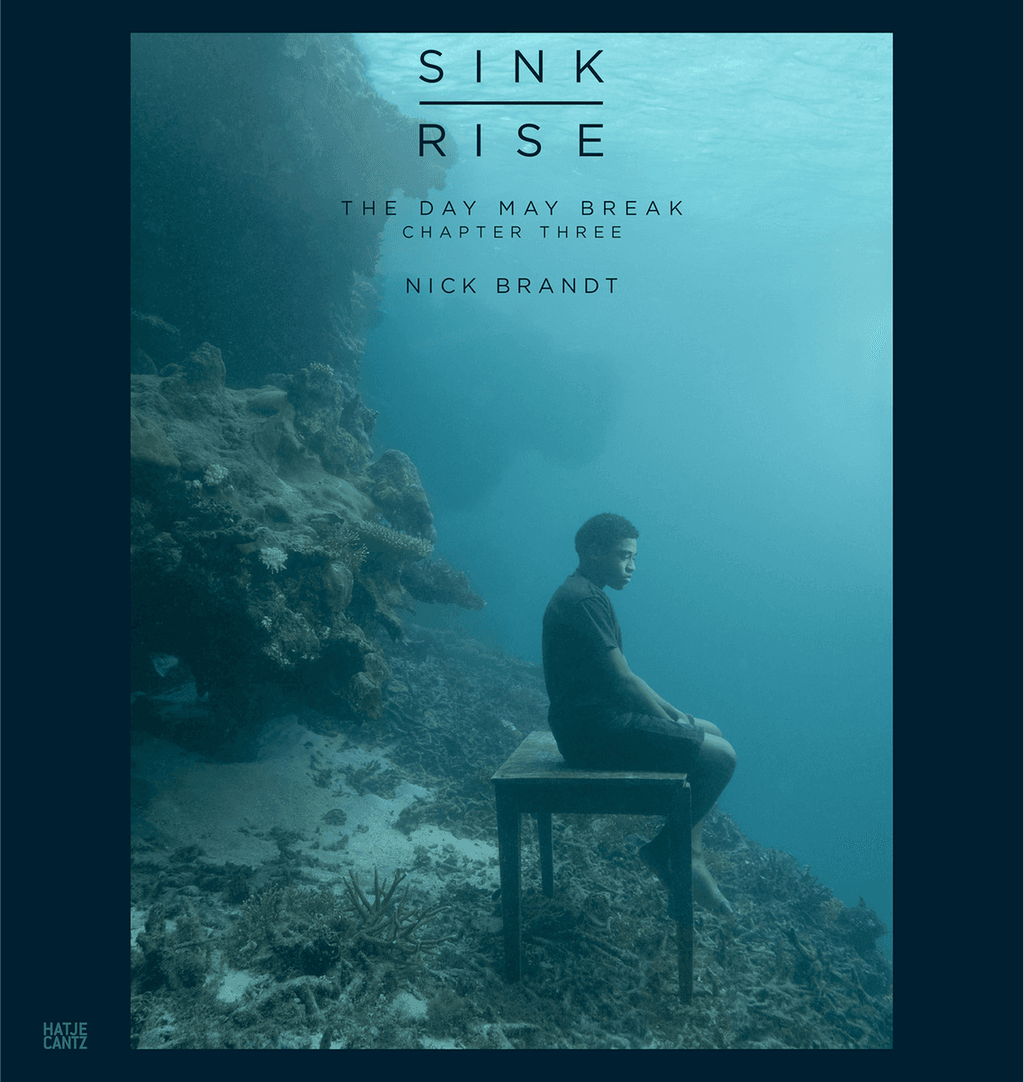
Hatje Cantz · Photography
SINK / RISE: The Day May Break, Chapter Three
Nick Brandt, Zoë Lescaze and 1 other
The photographs in this book should not exist. Nick Brandt somehow made them anyway, entirely in-camera, on the ocean floor off Fiji.
120 pages32 × 31 cm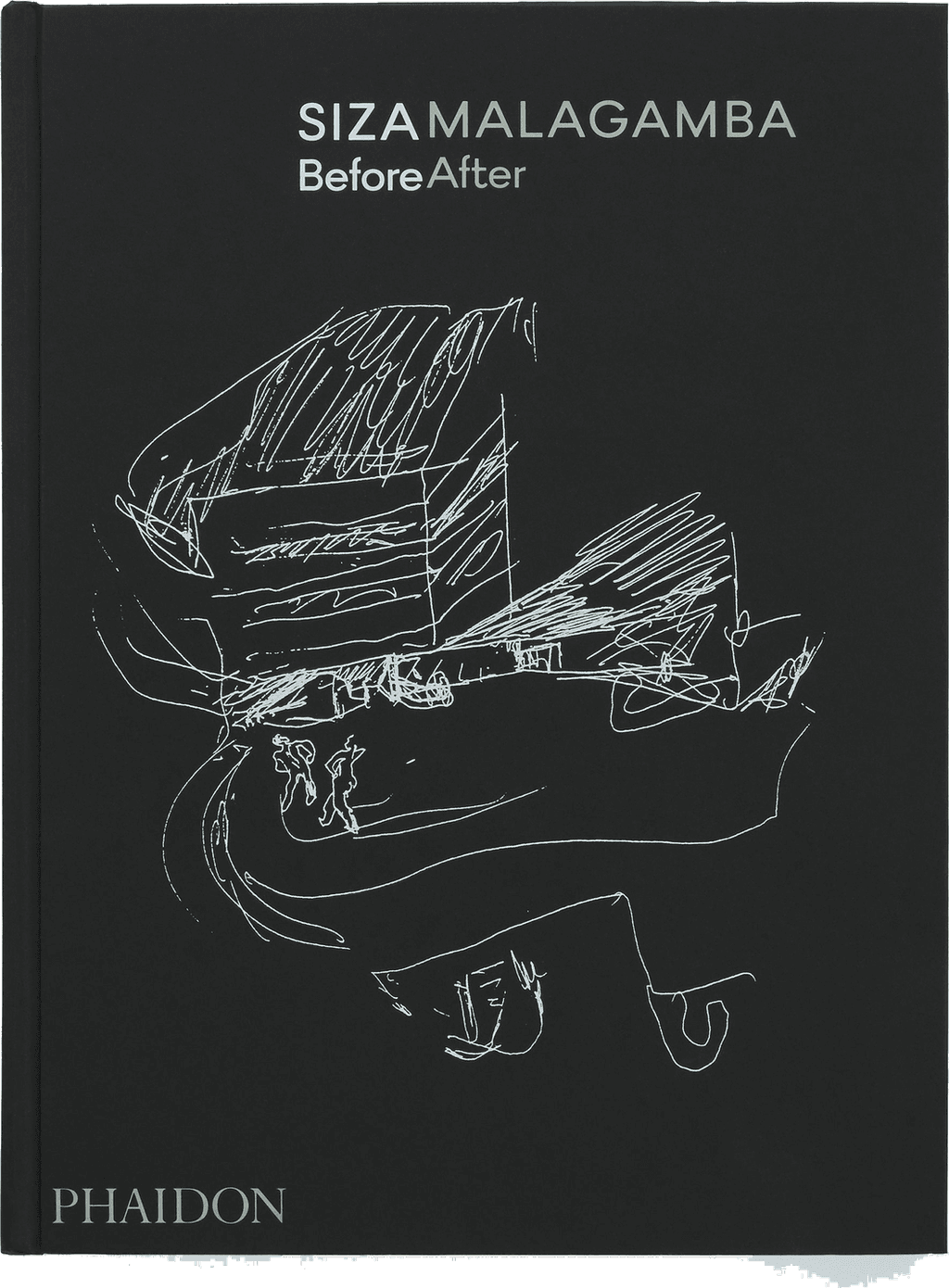
Phaidon · Architecture
Before / After: Álvaro Siza
Álvaro Siza, Duccio Malagamba
Siza at 91, choosing his own twenty. Malagamba's photographs and the architect's hand drawings together make the case for why the work still matters.
312 pages32 × 24 cm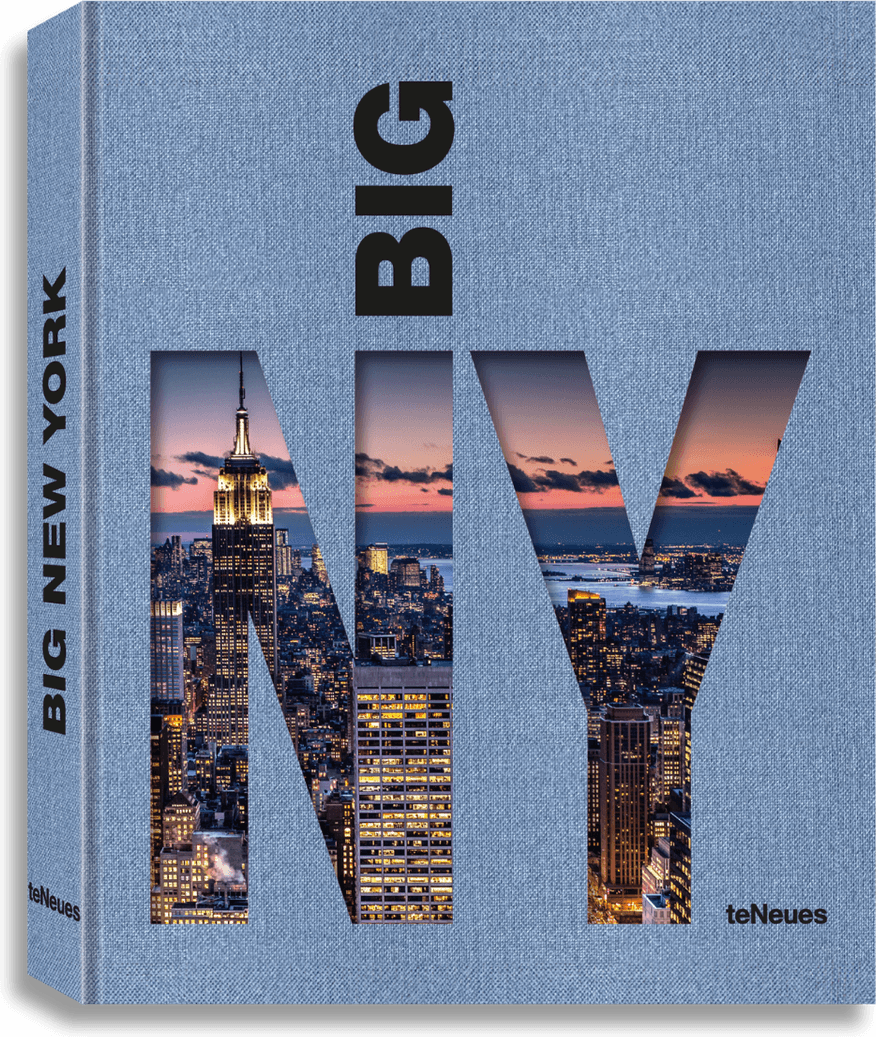
teNeues · Photography
Big New York
Elliott Erwitt, Thomas Hoepker and 5 others
Seven decades of New York, fourteen photographers, one XXL slipcase. The range is the point.
512 pages37 × 29 cm